
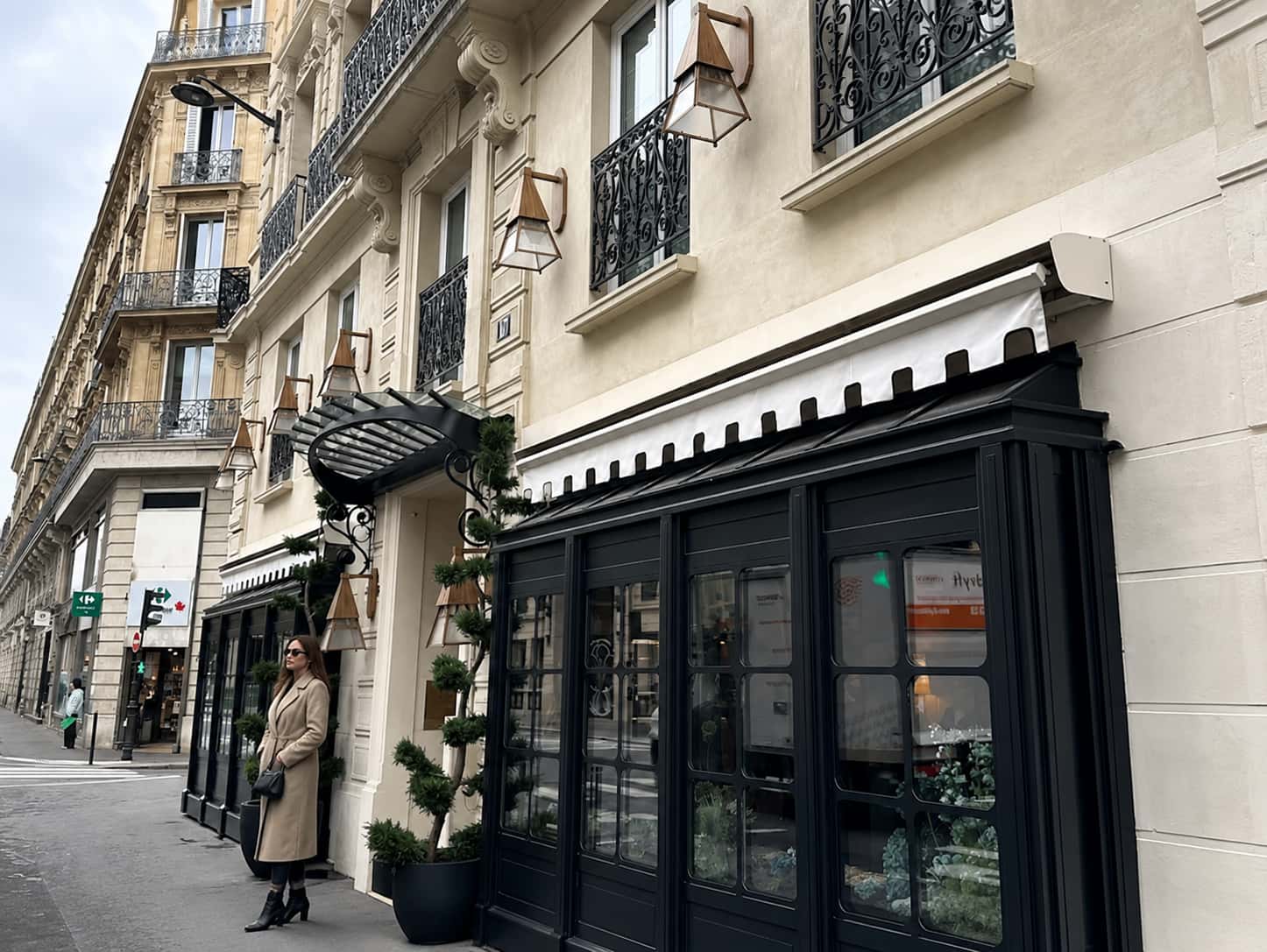
Hotel Hana Paris combines French-Japanese design, strong service, and a prime Opéra location in an intimate 26-room boutique setting.
Hotel Hana occupies an unusual position in Paris's luxury hotel market.
The 26-room boutique property combines French decorative traditions with Japanese influences through a concept the hotel describes as Japonisme. The result is neither a traditional Parisian luxury hotel nor a minimalist Japanese retreat, but something deliberately positioned between the two.
Strong service and thoughtful design earn widespread praise. Most guest criticism focuses on room size, the compact spa, and whether the rates align with five-star expectations.
For travelers seeking a design-led boutique hotel in central Paris, Hotel Hana is one of the city's more compelling recent openings. Whether it represents good value depends largely on room choice and expectations.
Hotel Hana At A Glance
| Attribute | Details |
|---|---|
| Location | Opéra / Bourse District, Paris 2nd Arrondissement |
| Address | 17 Rue du 4 Septembre, 75002 Paris |
| Opened | 2024 |
| Rooms & Suites | 26 |
| Hotel Type | Luxury boutique hotel |
| Design Identity | French-Japanese "Japonisme" concept |
| Dining Concept | Japanese-influenced restaurant and cocktail bar |
| Wellness | Private indoor pool, hammam, treatment room |
| Fitness Facilities | Small gym |
| Parking | Valet parking (€45/day) |
| Pet Friendly | Yes |
| Loyalty Program | None |
| Best Value Room | Deluxe Room |
| Premium Standard Room | Prestige Room |
| Typical Rate Range | €550-1,000+ depending on season |
| Best For | Couples, design-conscious travelers, repeat Paris visitors |
| Less Suitable For | Families seeking space, wellness-focused stays, loyalty-program travelers |
Location: Between Opéra And Paris's Little Tokyo
Few Paris luxury hotels sit in a more versatile location. Hotel Hana places guests within walking distance of Opéra Garnier, Galeries Lafayette, Place Vendôme, Palais Royal, and the Louvre. Several Metro stations are nearby, making both the Left Bank and western Paris easily accessible without relying on taxis.
The surrounding streets form part of Paris's long-established Japanese quarter, often referred to as Little Tokyo. Japanese bakeries, ramen shops, specialty grocers, and cafés are integrated into the neighborhood rather than presented as a tourist attraction.
Charles de Gaulle Airport typically requires 45 to 60 minutes by car depending on traffic. Orly Airport usually falls into a similar range. Business travelers also benefit from quick access to central office districts around Opéra, Madeleine, and the Grands Boulevards.
Neighborhood character depends heavily on what kind of Paris trip you are planning. Visitors seeking postcard Paris often gravitate toward Saint-Germain-des-Prés, the Marais, or parts of the Left Bank where residential streets, cafés, and historic architecture become part of the daily experience. The Opéra district feels more commercial and energetic. Department stores, offices, restaurants, and transit connections dominate the local environment.
Convenience is the defining characteristic. Guests consistently praise walkability, transport connections, and easy access to major sights, even when the neighborhood itself is not the reason they chose the hotel.
Design And Identity
Many hotels borrow Japanese motifs, but hotel Hana builds its entire identity around them.
A Haussmann-era building provides the framework. Classical Parisian proportions remain visible from the street, but interiors move in a different direction.
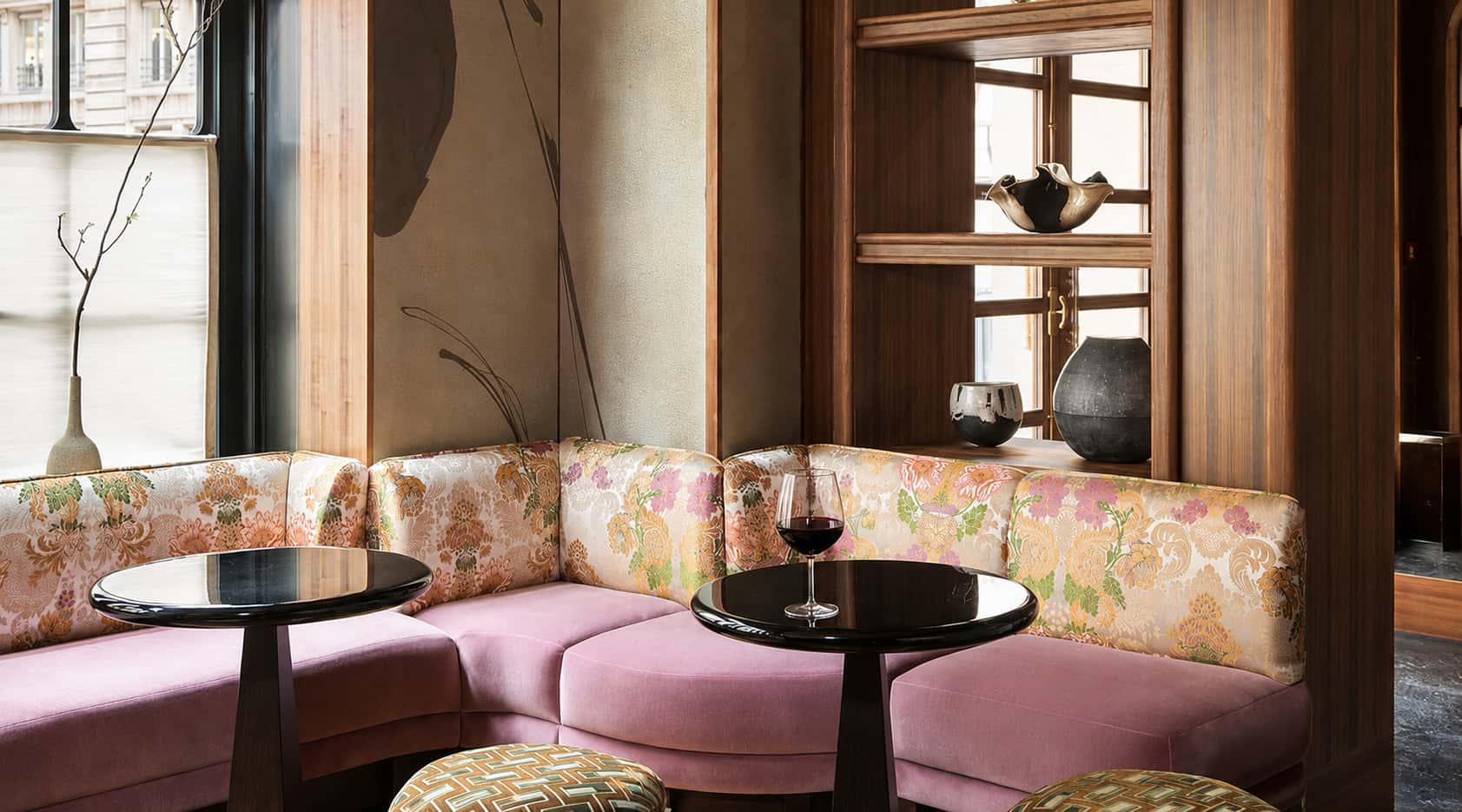
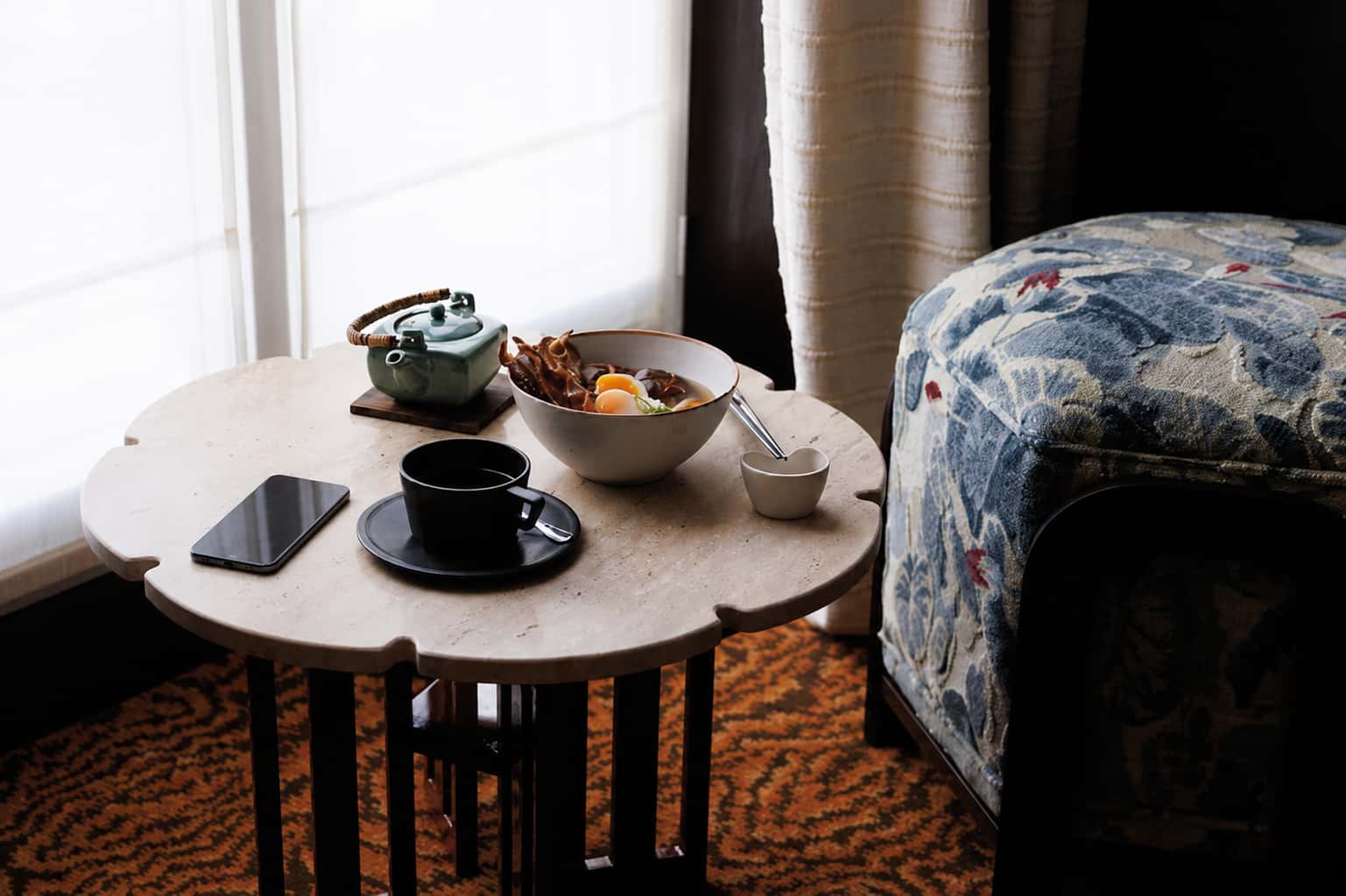
Interior architect Laura Gonzalez and artistic director Olivier Leone avoided the minimalist route commonly associated with Japanese-inspired hospitality. Instead, dark woods, patterned textiles, layered materials, and handcrafted details create an environment that feels closer to Belle Époque Paris viewed through a Japanese lens.
The concept succeeds because it remains consistent throughout the property. Guest rooms, public spaces, wellness areas, and the Hanabi restaurant all share the same visual language. Nothing feels disconnected or added simply for effect.
Guest feedback consistently praises the feeling created by the spaces rather than focusing exclusively on visual details. Words such as calm, intimate, peaceful, romantic, refined, and welcoming appear far more frequently than descriptions of furniture or decoration.
A different interpretation emerges when guests discuss the property's limitations. Room dimensions, compact public areas, narrow corridors, and small wellness facilities all stem from the same boutique philosophy that creates the hotel's appeal. Design and operational trade-offs are closely linked here. Generous communal spaces would require fewer rooms. Larger rooms would reduce inventory. The property consistently chooses intimacy over scale.
Comparison with Paris palace hotels can therefore become misleading. Ritz Paris, Le Bristol, and Four Seasons George V use architecture and public spaces to impress through grandeur. Hotel Hana aims for something smaller and more personal.
Rooms: Small By Luxury Standards, Smart By Boutique Standards
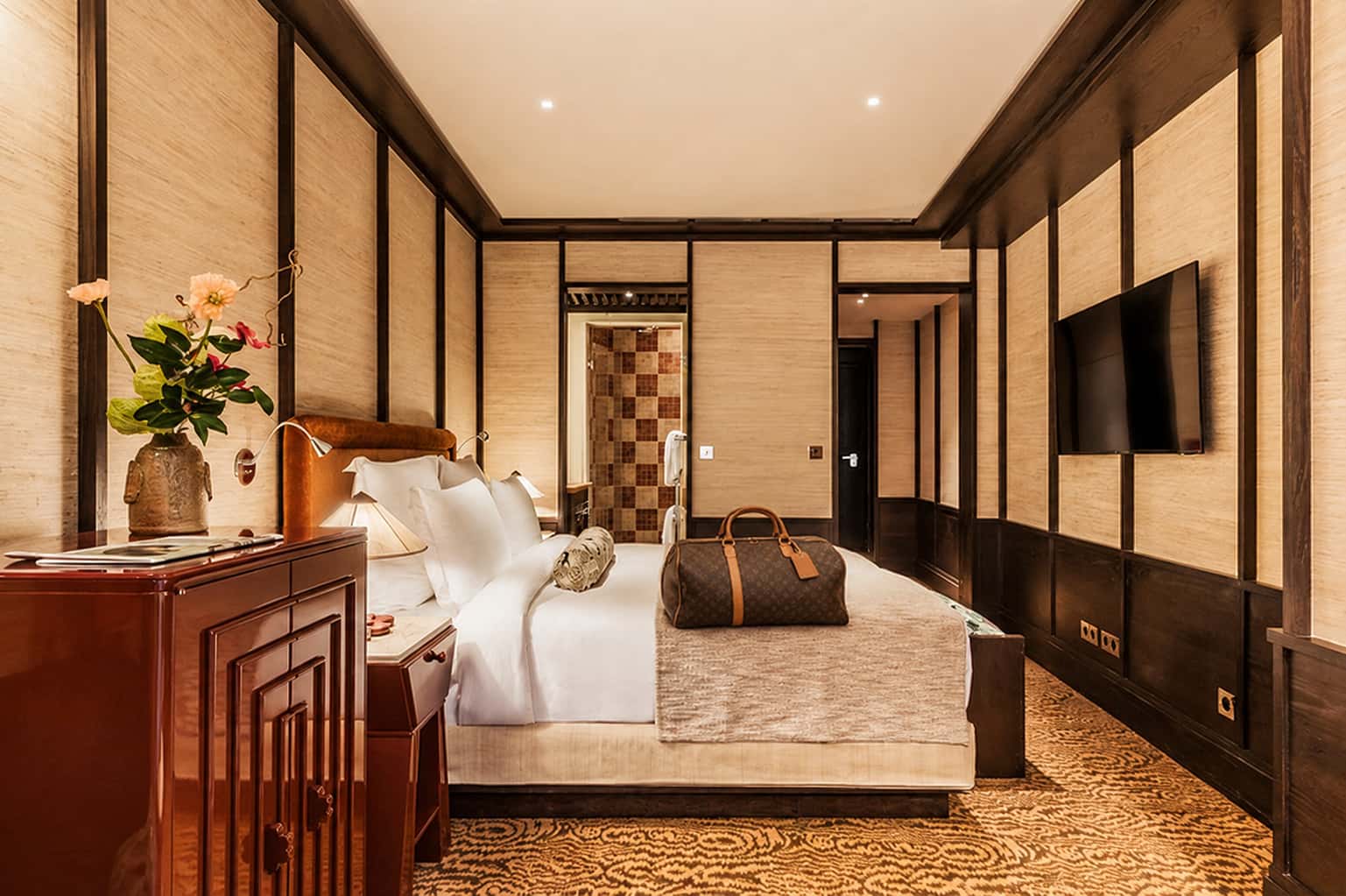
Room size is the most important booking consideration at Hotel Hana. Entry-level rooms begin at 18 square metres. Premium categories reach 32 square metres before moving into suites and apartment-style accommodations. Those measurements are not unusually small for central Paris boutique hotels, but they are noticeably smaller than what many travelers expect after paying five-star rates.
The categories below highlight the three most important booking choices: the entry-level room, the category that defines the hotel's premium offering, and the top standard-room upgrade.
Classic Room
At approximately 18 square metres, the category works best for travelers who plan to spend most of their day exploring Paris. Couples staying for a short city break can make the room work comfortably enough, particularly given the hotel's central location.
Pricing research revealed another challenge. Classic rooms are not priced as budget-friendly entry inventory. Even during low-season weekdays, rates remained firmly within luxury-hotel territory.
Deluxe Room
Deluxe emerges as the most compelling category in the lineup.
Floor area increases to approximately 23 square metres, producing a meaningful improvement in day-to-day comfort. Pricing analysis below in the post across low season, shoulder season, peak season weekdays, and peak season weekends showed surprisingly modest premiums over Classic rooms.
Additional floor space, improved circulation, and a greater sense of comfort make that upgrade easier to justify than many luxury-hotel upsells.
Guest feedback points in the same direction. Larger rooms generate fewer complaints and stronger satisfaction scores. Travelers concerned about comfort, luggage storage, or longer stays should start their search here.
Prestige Room
At approximately 32 square metres, the category moves noticeably closer to what many international travelers expect from a luxury hotel. Pricing remains higher, but revenue-management analysis revealed an interesting pattern: Prestige inventory consistently maintained stronger pricing and showed earlier signs of compression than lower categories.
Repeated scarcity indicators suggest demand for these rooms exceeds demand for entry-level accommodations. Guests appear willing to pay for additional space.
A longer stay in Paris becomes significantly easier in Prestige. Business travelers needing workspace and couples planning several days in the city are likely to appreciate the difference.
Room Design And Functionality
Design decisions prioritize mood and visual harmony over maximum usable area.
Japanese influences appear in the layout strategy. Screens, partitions, and carefully framed sightlines create separation without introducing heavy visual barriers. Rooms often feel warmer and more welcoming than their dimensions might suggest.
Storage generally receives positive feedback. Layout efficiency also appears stronger than raw square-meter figures imply. A well-designed 23-square-metre room can outperform a poorly designed 23-square-metre room, and Hotel Hana benefits from careful planning.
Bathroom Design Generates More Divided Reactions
Several reviews mention privacy concerns related to open-plan concepts and partial bathroom separation. Guests traveling as couples rarely seem bothered. Friends, colleagues, or privacy-focused travelers may prefer to examine room layouts carefully before booking.
Noise Deserves a Balanced Assessment
Sleep quality scores are generally strong, and widespread complaints are absent. At the same time, recurring references to corridor noise, door activity, and occasional street exposure prevent any claim of exceptional soundproofing. Evidence suggests room location influences outcomes more than hotel-wide acoustic problems.
Room assignment therefore matters more than usual. A well-positioned Deluxe or Prestige room is likely to deliver a noticeably stronger stay than the smallest available category in a less favorable location.
Service: The Hotel's Most Consistent Luxury Feature
Service is where Hotel Hana most convincingly earns its five-star reputation.
Guest reviews reveal an unusual pattern. Praise for rooms, facilities, and value occasionally varies according to expectations and room category. Praise for staff appears far more consistent. Across Google, Expedia, Tripadvisor, and other platforms, guests repeatedly highlight warmth, attentiveness, professionalism, and personal recognition.
Many luxury hotels rely on scale to create service impressions. Dedicated concierge teams, multiple reception desks, club lounges, and large operational departments all contribute to the guest journey. Hotel Hana approaches hospitality differently. With only 26 rooms, staff interactions become more personal and visible.
Several reviews mention team members by name. Such references matter because guests rarely remember individual employees unless interactions leave a strong impression. Personalized recommendations, attentive assistance, and thoughtful gestures appear frequently enough to suggest a genuine pattern.
Most dissatisfaction does not stem from rude employees or absent service. Instead, complaints tend to focus on situations where guests felt problems were not acknowledged quickly enough or resolved to the standard expected from a luxury hotel. Missing belongings, maintenance concerns, housekeeping issues, and room-related frustrations become significantly more damaging when guests perceive insufficient ownership from management.
A different conclusion emerges from more balanced reviews. Multiple guests describe situations where concerns were addressed successfully, feedback was welcomed, and solutions were offered. Evidence therefore points toward occasional service failures rather than systemic service weakness.
Restaurant, Breakfast, And Wellness Facilities
Dining and wellness play a supporting role at Hotel Hana. Neither is extensive enough to justify booking the property on its own. However, both contribute meaningfully to the hotel's identity and help reinforce the Japanese-French concept running through the entire operation.
Many boutique hotels treat food, beverage, and wellness as secondary amenities. Hotel Hana integrates them into the broader narrative of the property.
Hanabi Restaurant
Japanese influences appear naturally within the menu and atmosphere, reflecting the surrounding neighborhood's longstanding connection to Japanese culture.
Few guest reviews describe Hanabi as a destination restaurant that justifies a reservation independently of the hotel. Evidence instead suggests it functions best as an extension of the stay itself. Guests appreciate its convenience, design, and alignment with the property's character.
Restaurant operating schedules deserve a quick check before arrival. At least one guest review referenced unexpected closure during a stay. Such comments remain isolated, but boutique hotels generally offer less operational redundancy than larger luxury properties with multiple dining venues.
Breakfast
Across guest reviews, breakfast emerges as one of the property's most reliable strengths. Positive comments appear frequently enough to separate breakfast from the general satisfaction that accompanies many highly rated hotels. Several guests specifically mention appreciating the blend of French and Japanese elements rather than encountering a standard international luxury-hotel buffet.
Breakfast is commonly priced separately from room rates. Direct-booking research showed a supplement of approximately €70 per night, while some online travel agencies displayed substantially higher breakfast-inclusive pricing.
Guests planning to eat breakfast at the hotel should therefore compare packages carefully before booking. Direct rates may offer a more attractive proposition than online travel agencies’ breakfast add-ons.
Spa And Wellness
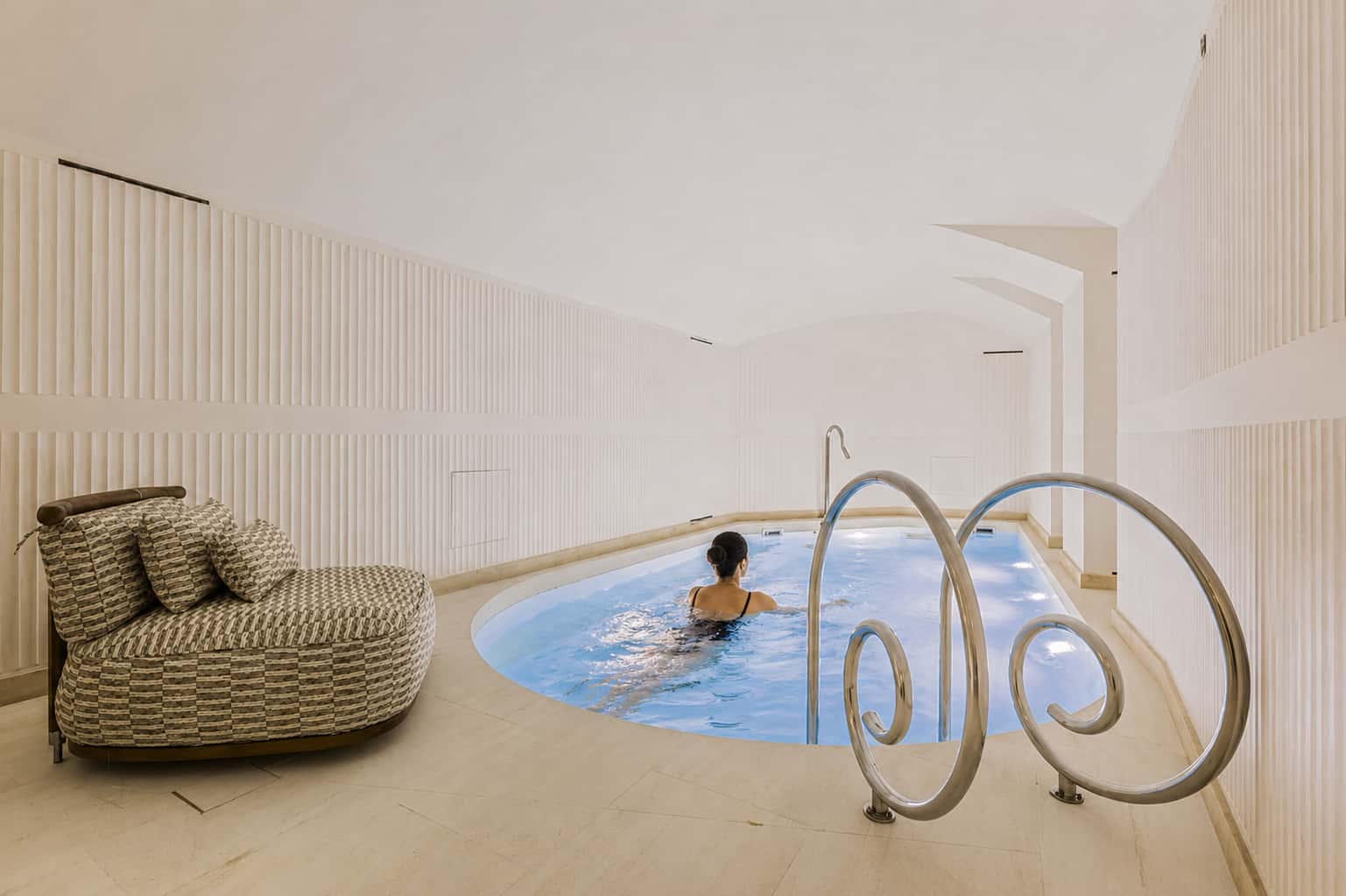
Marketing photographs create an attractive impression of the wellness area. Guest feedback helps clarify its true scale. A small pool, sauna, hammam, treatment facilities, and fitness room form the wellness offering. None compete with the large urban spas found in Paris palace hotels.
The pool deserves special mention because it generates both praise and criticism. Guests frequently appreciate the private-use concept. Reserved access creates a more exclusive feeling than the dimensions alone might suggest. Couples in particular appear to value the privacy.
Yet, several reviews describe the pool as smaller than expected. Similar comments appear regarding the wellness area more broadly. Travelers booking specifically for a substantial spa experience may therefore feel underwhelmed.
Fitness Facilities
The gym represents the weakest component of the wellness offering. Recurring guest feedback describes the space as small and minimally equipped. Criticism appears frequently enough to treat it as a structural limitation.
Fitness-focused travelers maintaining serious training routines during a stay in Paris should plan accordingly. Casual users seeking basic exercise equipment are less likely to encounter problems.
An interesting pattern emerges when comparing wellness feedback with broader guest sentiment. Pool size, gym limitations, and compact facilities appear repeatedly in reviews, yet rarely dominate overall impressions of the property. Most guests seem willing to forgive wellness constraints because the hotel's primary strengths lie elsewhere: service, location, design, and atmosphere.
Pricing Analysis: Is Hotel Hana Worth The Money?
Rates remained surprisingly stable across all observed booking periods.
Typical Published Direct Rates
| Season | Classic (18 m²) | Deluxe (23 m²) | Prestige (32 m²) |
|---|---|---|---|
| Shoulder Season (Oct 13, 2026) | €531 | €608 | €723 |
| Peak Season Weekday (Sep 8, 2026) | €558 | €635 | €750 |
| Peak Season Weekend (Sep 11-12, 2026) | €574 | €650 | €765 |
| Jan 19, 2027 | €597 | €654 | €750 |
Published direct rates observed during research. Availability and pricing can change at any time.
Seasonal swings were modest. Classic rooms moved by roughly 12% across the researched periods, while Prestige remained close to €750 regardless of season.
Pricing behaviour suggests management prioritises rate protection over aggressive discounting. Large hotels often stimulate occupancy through seasonal discounts. Hotel Hana seems more focused on protecting average daily rate and allowing availability to tighten when demand increases.
Which Room Offers The Best Value?
Classic rooms introduce travelers to the property at the lowest cost. But Deluxe combines a meaningful increase in floor space with one of the smallest upgrade premiums in the hotel.
Prestige occupies a different role. At approximately 32 square metres, Prestige delivers a room size many international luxury travelers expect from the outset. With pricing analysis revealing repeated signs of scarcity in this category, Prestige is easier to justify for longer stays, business travelers, and guests spending significant time in their room.
The most revealing pricing finding was inventory behavior. Repeated searches showed Prestige rooms reaching low availability before other categories. Expedia repeatedly displayed inventory warnings for Prestige inventory, sometimes showing only one or two rooms remaining. Classic and Deluxe rooms generally remained available longer.
Travelers targeting Prestige should therefore focus on availability instead of waiting for a better rate.
Direct Vs Online Travel Agency Pricing
Expedia research largely confirmed the hotel's direct pricing structure.
- No evidence of substantial online travel agency undercutting. Seasonal patterns, category hierarchy, and upgrade logic remained broadly consistent across channels.
- Breakfast was the most noticeable difference. Direct-booking research showed breakfast adding approximately €70 per night. Expedia breakfast-inclusive options frequently produced a much larger surcharge once converted into comparable pricing.
- Cancellation flexibility followed a similar pattern. Both channels charge a meaningful premium for refundable rates, though direct booking generally presents rate plans more transparently.
Direct booking therefore offers three advantages:
- Clearer room-category comparisons.
- More transparent breakfast pricing.
- Better visibility into promotional offers and stay-based discounts.
Online travel agency channels remain useful for comparing availability and inventory pressure, particularly during periods of high demand.
Seasonal Value And Timing
Research uncovered little evidence of dramatic bargain periods. Many travelers assume January will provide substantially lower rates than September. Hotel Hana did not follow that pattern. Published January rates were sometimes equal to or higher than rates observed during peak-season weekdays.
Choosing the right room category has a greater impact than trying to time the market. Four-night promotional offers occasionally softened rates, though discounts remained modest. Savings were measurable but not transformative.
Is Hotel Hana Worth The Money?
Guests expecting luxury to be measured through room size, wellness facilities, and physical scale may struggle with the answer. Those seeking a highly personal boutique hotel in a central Paris location often reach a different conclusion.
Pricing reflects design credentials, location, service quality, and scarcity more than square footage. Evidence from guest reviews suggests many travelers accept that trade-off willingly.
Viewed through the lens of Paris luxury boutique hotels, rates are defensible. Viewed against larger five-star hotels competing on room size and facilities, the calculation becomes far more subjective.
Hotel Hana Compared
Comparisons can help clarify what Hotel Hana does well, but only when the right competitors are chosen.
A common mistake is comparing every Paris five-star hotel against every other Paris five-star hotel. Luxury hospitality in the city operates across several distinct categories. Hotel Hana competes most directly with design-driven boutique properties where character, intimacy, and service matter more than scale.
The hotel's strongest competitors are therefore not the palace hotels that dominate luxury rankings. They are smaller properties targeting travelers who focus on a memorable stay, not prioritising square footage.
They include Château Voltaire, Hôtel Vernet, Pavillon de la Reine, Le Roch Hotel & Spa, and certain categories of Madame Rêve. All prioritize distinctive design, individual identity, central locations, smaller room inventories, and experiential differentiation.
Hotel Hana's advantage comes from the strength of its concept. Many boutique hotels possess attractive interiors. Fewer build a coherent narrative that extends from architecture and design into dining, wellness, service culture, and neighborhood context.
Who Should Book Hotel Hana?
- Couples who spend most of the day exploring Paris and want a distinctive place to return to each evening are likely to appreciate what Hotel Hana does best.
- Travelers interested in architecture, interiors, fashion, visual culture, or boutique hospitality will find more substance here than in many larger luxury properties. The French-Japanese concept influences far more than decoration and remains visible throughout the hotel.
- Romantic city breakers are naturally supported by the property's strongest attributes. Several guest reviews specifically mention anniversaries, birthdays, romantic weekends, and special occasions. The hotel repeatedly succeeds in those situations because the environment feels personal.
- Repeat Paris visitors: First-time visitors often prioritize iconic addresses and postcard neighborhoods. Repeat visitors tend to evaluate hotels differently. Location convenience, dining access, neighborhood functionality, and operational comfort become more important after major landmarks have already been visited.
- Solo travelers often benefit from boutique hotels more than groups do. Personalized service feels more noticeable. Central locations reduce transportation complexity. Smaller public spaces rarely feel crowded. A Deluxe Room usually represents the safest choice for solo travelers carrying substantial luggage.
- Business travelers: The location works well. Major business districts, offices, restaurants, and transport connections are all nearby. Staff service also receives consistently strong marks. Workspace, room size, and fitness facilities present a more nuanced picture. Travelers spending most of the day in meetings may find the hotel highly appealing.
Who Is the Hotel Less Ideal For?
- Families face several structural challenges due to compact rooms, small wellness facilities, limited public space, small gym, and boutique scale.
- Wellness-focused travelers: The spa, pool, hammam, and fitness facilities are attractive additions. None are large enough to function as primary booking reasons.
- Traditional luxury travelers: Some luxury travelers equate luxury with physical scale. This often includes large suites, grand lobbies, multiple restaurants, and extensive wellness facilities.
BusinessClass Verdict
Hotel Hana is one of the most convincing luxury boutique hotels in Paris today. Strong service, Michelin Guide recognition, an excellent Opéra location, and a coherent French-Japanese identity create a stay that feels genuinely distinctive. Boutique-sized rooms and compact facilities require careful expectation setting. But travelers who value character over scale are likely to leave impressed.
Frequently Asked Questions
Which room category should I book?
Deluxe is the safest choice for most travelers. The category provides a meaningful increase in space over the Classic Room without a dramatic jump in price. Prestige offers the most complete standard-room experience and is particularly attractive for longer stays. Classic works best for short visits when location and design matter more than room size.
Is breakfast worth adding?
Breakfast is one of the hotel's most consistently praised features. Guest feedback frequently highlights both quality and the Japanese influences incorporated into the offering. Travelers planning to eat breakfast at the hotel should compare booking channels carefully, as breakfast supplements can vary significantly between direct bookings and online travel agencies.
Is the pool large?
No. The pool is one of the smallest wellness facilities in the luxury segment, 6 meters long (about 20 feet). Despite its compact footprint, the pool includes a resistance-current system that allows guests to swim continuously in place. Guests generally appreciate the private-use concept and exclusive access.
How good is the gym?
The gym is functional but limited. Recurring guest feedback describes the space as small and lightly equipped. Casual workouts are possible, but travelers following serious training routines may prefer nearby fitness clubs or hotels with larger facilities.
How far is Hotel Hana from Opéra Garnier?
Opéra Garnier is approximately a five-minute walk from the hotel. Galeries Lafayette, Place Vendôme, Palais Royal, and much of central Paris are also accessible on foot.
Is Hotel Hana quiet?
Guest feedback is generally positive regarding sleep quality, but complete silence should not be expected in central Paris. Some reviews mention corridor noise, neighboring rooms, or occasional street exposure. Most guests appear satisfied, though room location may influence the experience.
Does Hotel Hana have parking?
Yes. Valet parking is available for an additional fee. Travelers arriving by car should confirm current pricing and availability directly with the hotel before arrival.
Is Hotel Hana pet friendly?
Yes. Pets are accepted for an additional fee. Travelers should verify current policies, restrictions, and charges with the hotel before booking.
Does Hotel Hana belong to a major hotel loyalty program?
No. Hotel Hana operates independently and does not participate in a major global hotel loyalty scheme. American Express cardholders can book through The Hotel Collection.