
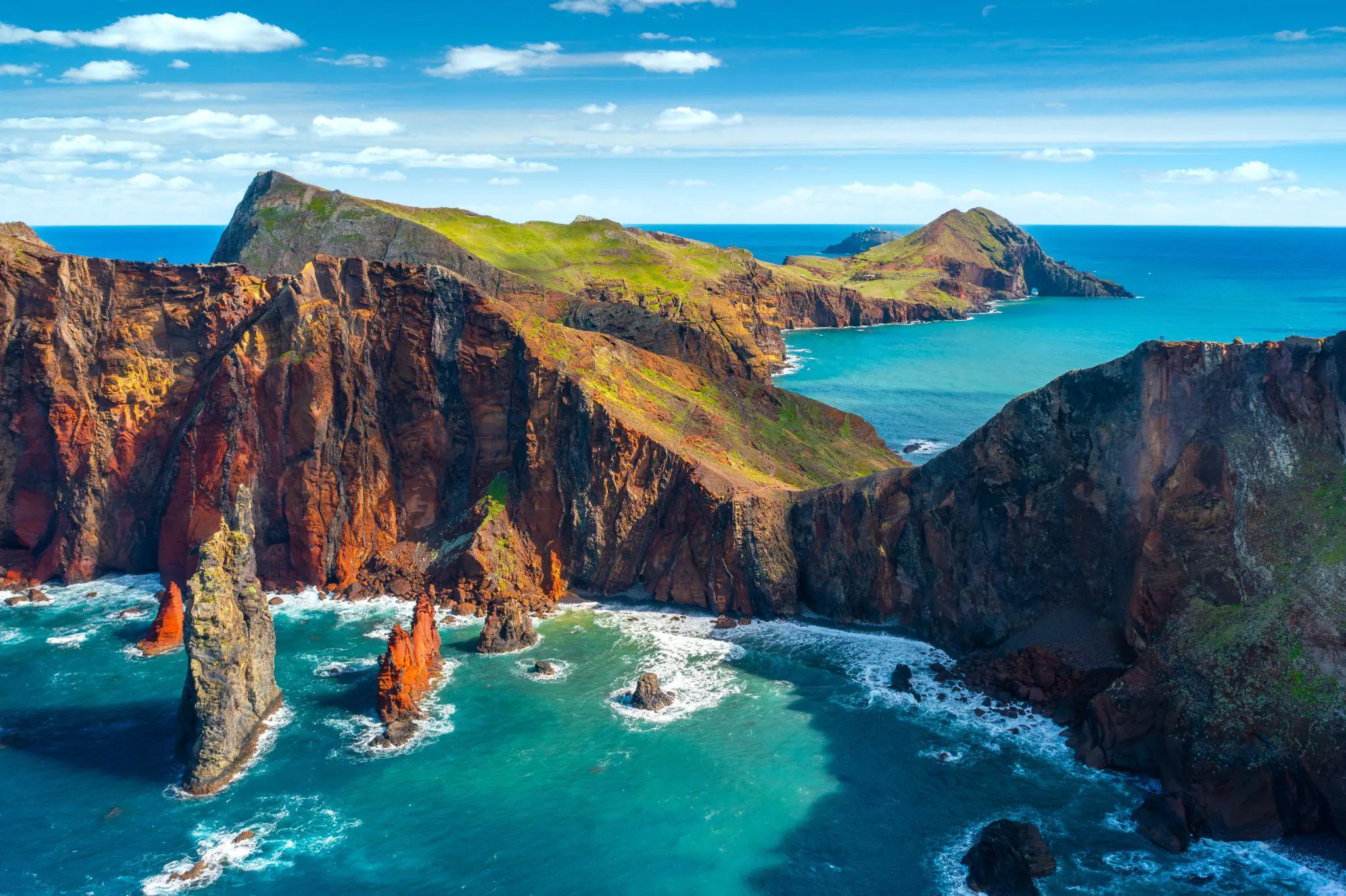
Explore whether Madeira is right for your next trip with expert advice on where to stay, when to visit, hiking, food, wine, and practical travel tips.
Although politically and culturally Portuguese, Madeira lies closer to Africa than mainland Portugal, sitting at roughly the latitude of Casablanca. That location gives the island its famously mild climate. Temperatures typically range between 15°C and 25°C throughout the year, even as dramatically different microclimates exist just a short drive apart.
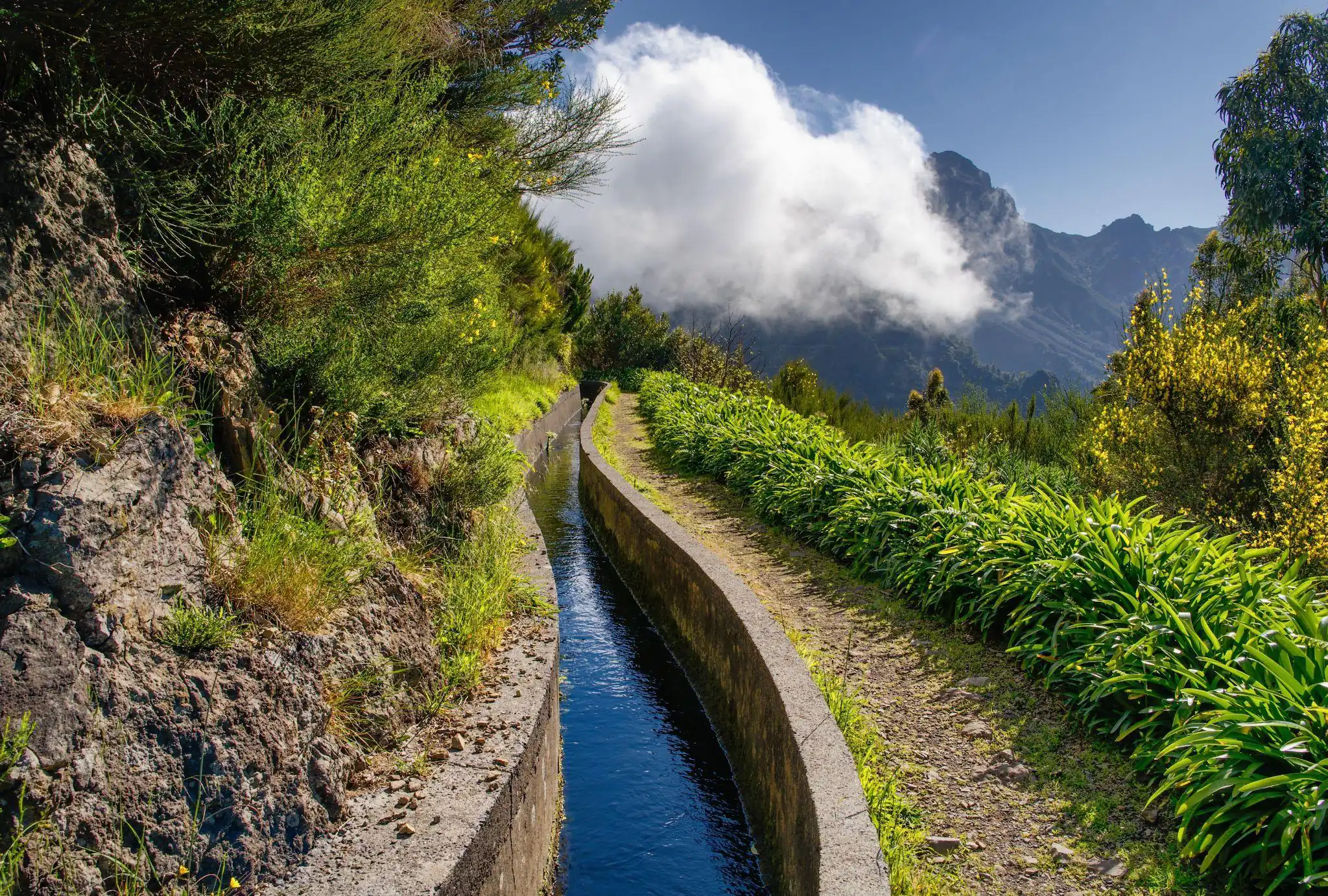
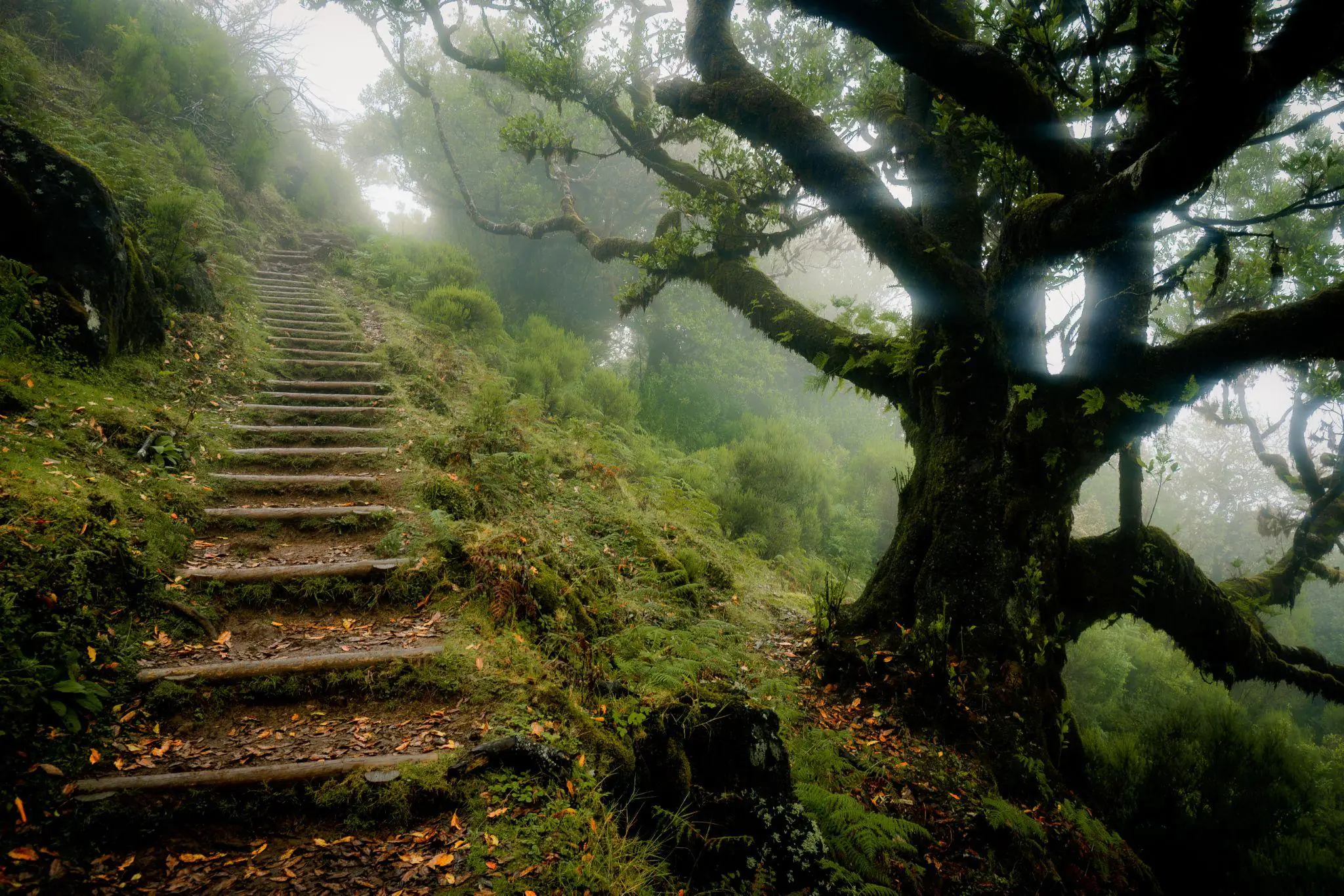
The island combines several experiences rarely found in one destination. Ancient Laurisilva forests, protected as a UNESCO World Heritage Site, create landscapes that often feel almost otherworldly. More than 2,000 kilometres of historic levadas, originally built to carry water across the island, now form one of Europe's most distinctive hiking networks. Madeira has also spent more than 500 years producing a wine unlike any other, shaped by the age of ocean exploration when long sea voyages unintentionally improved its character through heat and movement.
Madeira seems to have everything: spectacular scenery, year-round outdoor weather, exceptional hiking and a rich culinary tradition. Yet it isn't the right destination for every traveller. This guide explains what Madeira does exceptionally well, where it falls short, and how to plan a trip that matches your expectations.
At A Glance
| Location | Madeira Island, an autonomous region of Portugal, located approximately 850 km southwest of Lisbon in the Atlantic Ocean. |
| Airport | Cristiano Ronaldo International Airport (FNC), Funchal (Madeira's capital). Approximate flight times: 3h 40min from London, 1h 40min from Lisbon. |
| Population | Approximately 260,000 residents, with around 110,000 living in Funchal. |
| UNESCO Status | The Laurisilva of Madeira has been a UNESCO World Heritage Site since 1999. Covering approximately 15,000 hectares (around 20% of the island), it is the largest surviving laurel forest of its kind. |
| Signature Landscape | Historic irrigation channels (levadas) converted into hiking trails; dramatic volcanic scenery; peaks including Pico Ruivo (1,862 m), the island's highest point. |
| Michelin Restaurants | Two one-star restaurants: William (Belmond Reid's Palace) and Desarma (rooftop of The Views Baía hotel); one two-star restaurant: Il Gallo d'Oro (The Cliff Bay). |
| Main Strengths | UNESCO-listed Laurisilva forest, diverse landscapes, and a mild subtropical climate on the south coast throughout much of the year. |
| Main Trade-off | Madeira is not a classic beach destination. Most beaches are pebble or volcanic rock. Notable exceptions include Prainha (natural black sand) and Calheta (imported golden sand). Weather can also differ significantly between the sunny south and cloudier north. |
| Best For | Hikers, nature lovers, food and wine travellers, and visitors seeking warm weather in the shoulder seasons (March–May and October–November). |
| Not Ideal For | Travellers whose priority is long sandy beaches, consistently predictable weather across the entire island, or a vibrant nightlife beyond the capital. |
Quick Decision Snapshot
| Traveler Type | Verdict | Recommended Base | Best Time to Visit |
| Active Travellers | Strong Choice: One of Europe's finest hiking destinations, combining an extensive levada network with dramatic mountain peaks. | Funchal (for convenience) or Santana (for direct Laurisilva access) | April–June, September–November |
| Food & Wine Travellers | Strong Choice: Outstanding local cuisine, three Michelin-recognized restaurants, and over 500 years of Madeira wine heritage. | Funchal | September–November (harvest season) or year-round |
| Shoulder-Season Sun Seekers | Good Choice: The south coast enjoys a mild subtropical climate even during Europe's cooler months. | Ponta do Sol or Funchal | November–April |
| Families with Young Children | Consider: Excellent scenery and family-friendly hotels, but limited sandy beaches. | Calheta or Funchal | June–August |
| Beach Holiday Travellers | Skip: Madeira is not a traditional beach destination. The Canary Islands or the Algarve are better suited to beach-focused trips. | — | — |
| Nightlife Seekers | Skip: The capital offers a modest evening scene, but nightlife is limited elsewhere on the island. | Funchal | Year-round |
What the Island Actually Delivers
Three experiences define Madeira: walking through landscapes found nowhere else in Europe, exploring an island where every drive feels scenic, and discovering a food and wine culture shaped by centuries of Atlantic trade.
Walking Through Ancient Landscapes
Madeira is one of Europe's best destinations for travellers who enjoy being outdoors. Historic levadas, originally built to transport water across the island, now guide hikers through tunnels, waterfalls, cliffs, and Laurisilva forest. Routes range from easy valley walks to challenging mountain trails linking peaks such as Pico do Arieiro and Pico Ruivo.
Popular walks like 25 Fontes and Caldeirão Verde attract large crowds during summer, so early starts are worthwhile. Those looking for quieter scenery will usually find it on lesser-known routes or outside peak season.
A Road Trip Where the Journey Matters
Distances on Madeira are short, but every part of the island feels different. Within an hour's drive, dramatic sea cliffs give way to mist-covered forests, volcanic pools, mountain viewpoints, and traditional villages. Modern tunnels make travelling surprisingly efficient, yet many of the most memorable moments happen on the quieter roads connecting the coast with the island's interior.
The weather changes just as quickly. Sunshine on the south coast can become cool mountain mist or low cloud on the north, making flexibility one of the advantages of exploring Madeira by car.
Food and Wine Shaped by the Atlantic
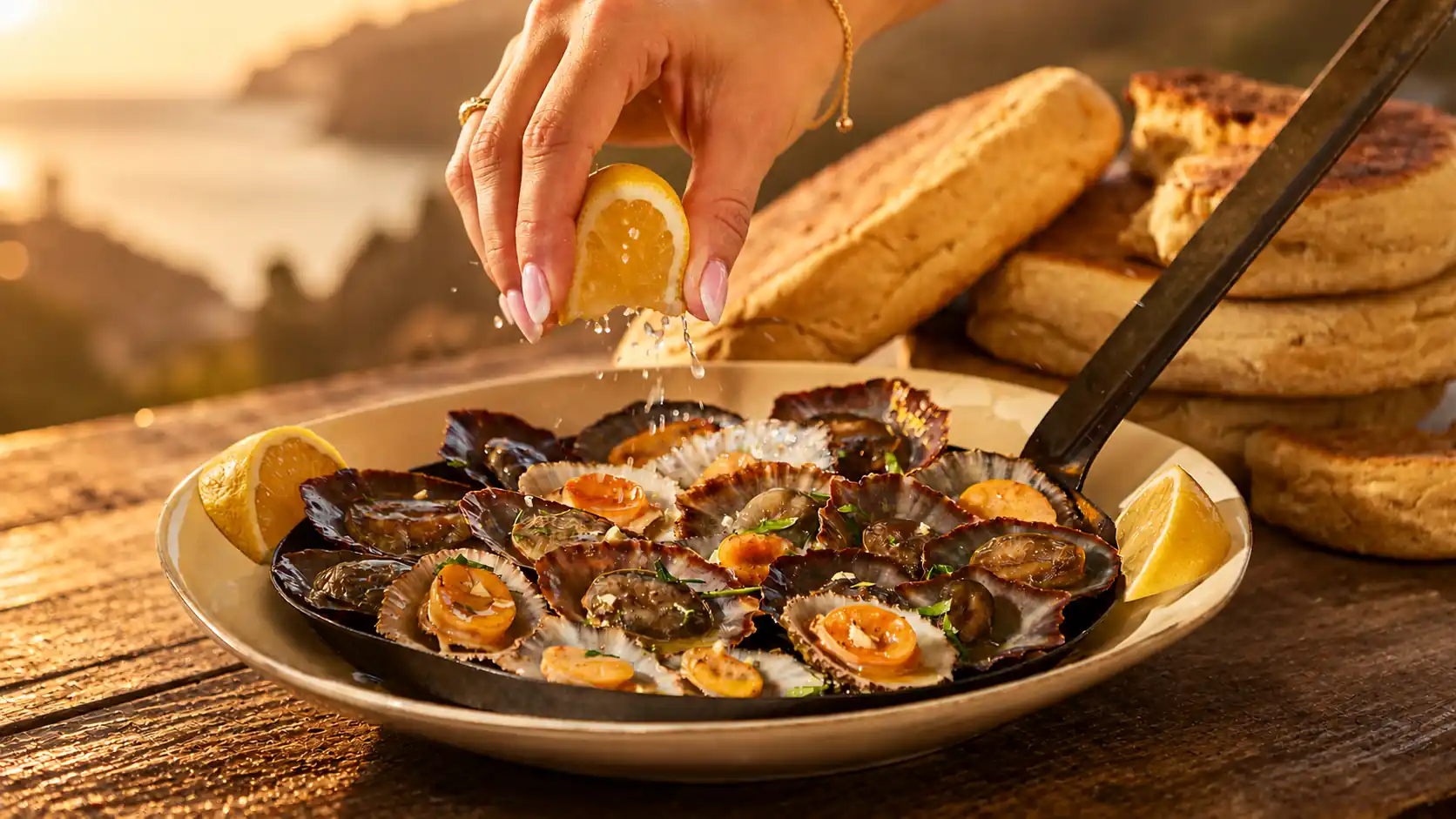
Local restaurants celebrate ingredients sourced from both the Atlantic and the volcanic landscape. Fresh seafood, black scabbardfish with banana, espetada cooked over laurel wood, bolo do caco, and tropical fruits all reflect traditions that developed in relative isolation.
The capital remains the island's culinary centre, home to three Michelin-recognised restaurants alongside wine lodges, traditional taverns, and local markets. Excellent local restaurants are found across the island, making memorable meals as much a part of the journey as the scenery itself.
Where to Base Yourself
Choosing the right base has a greater impact on your trip than choosing the right hotel. Madeira's landscapes, weather, and atmosphere vary considerably across the island, even though most destinations are less than 90 minutes apart by car.
- Funchal is the best all-round choice for first-time visitors. The island's compact capital combines luxury hotels such as Belmond Reid's Palace, The Cliff Bay, and Savoy Palace with excellent restaurants, Mercado dos Lavradores, the ferry terminal for Porto Santo, and the shortest transfer from the airport (around 20 minutes). Stay here if you want the widest choice of dining, easy logistics, and straightforward access to the rest of the island.
- Ponta do Sol, around 35 minutes west of the island's main city, enjoys Madeira's sunniest microclimate. Quieter than the capital, it offers boutique hotels, panoramic Atlantic views, and a relaxed pace of life. It's an excellent choice for couples, remote workers, and anyone visiting outside the summer months who wants to maximise their chances of sunshine.
- Calheta, on the southwest coast, is one of the few places on Madeira with a sandy beach, created using imported golden sand. Around an hour from the airport, it suits travellers who want to combine beach time with exploring the island and don't mind longer drives to Funchal or the north coast.
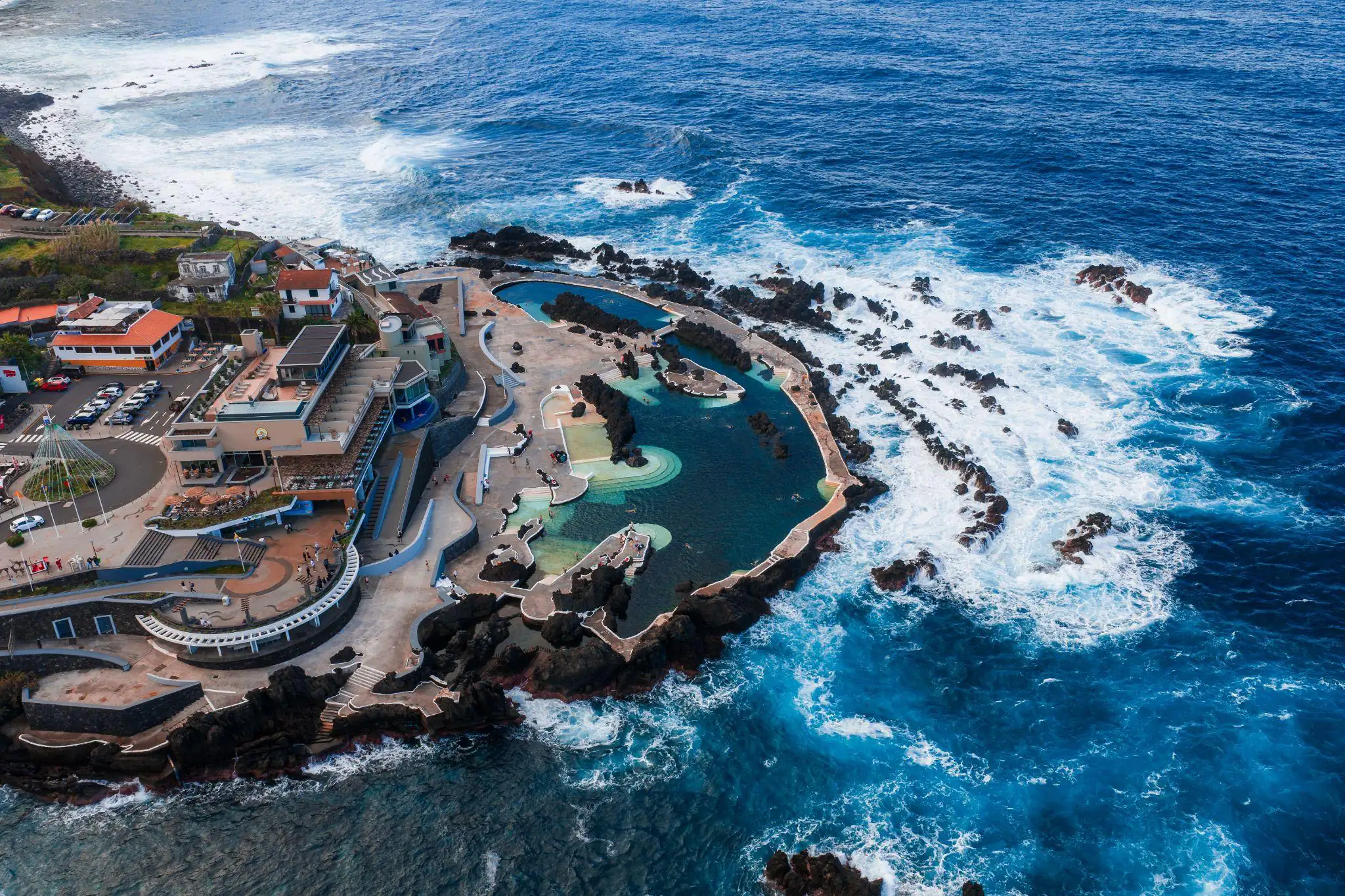
- Porto Moniz is the best base for dramatic coastal scenery, natural volcanic swimming pools, and easy access to the Laurisilva forest. The trade-off is a cooler, cloudier climate than the south coast, particularly during winter.
- Santana, in the northeast, is best known for its traditional thatched houses and direct access to some of Madeira's finest walking trails. It's ideal for those who prefer quiet surroundings and don't need the capital’s restaurants or nightlife.
- São Vicente offers a balanced alternative on the north coast. It provides convenient access to the Laurisilva forest, the island's mountain roads, and several popular hiking routes, while remaining quieter and less touristy than Funchal.
Choose your base around how you plan to spend your days, not the number of stars on your hotel. A 30-minute drive can take you from sunshine into cloud, from a lively waterfront to a mountain trail, or from a luxury resort to one of Madeira's most remote landscapes.
Planning to stay in Madeira's capital? Read our complete Funchal travel guide for the best neighborhoods, attractions, restaurants, and practical tips before choosing where to base yourself.
How Many Days Do You Need?
| Trip Length | Who It's Best For | What You Can Realistically Experience |
| 3 Days | A long weekend or a stopover. | Enough time to explore Funchal, ride the Monte Cable Car, visit one or two viewpoints, and complete a short levada walk. You'll get a good introduction, but only scratch the surface of the island. |
| 5 Days | Recommended for most first-time visitors. | Allows you to combine Funchal with several scenic drives, multiple levada walks, coastal villages, and local food and wine without rushing between attractions. |
| 7 Days | Travellers wanting to experience the island at a relaxed pace. | Gives time to explore every corner of Madeira, enjoy quieter hiking routes, spend evenings in Funchal, and even add a day trip to Porto Santo or simply leave space for changing weather. |
Getting There and Around
Flights
Madeira is served by Cristiano Ronaldo International Airport (FNC), around 20 minutes from central Funchal. Despite its mid-Atlantic location, the island is exceptionally well connected. Direct flights to 68 destinations operate by 29 airlines across Europe, North America, and nearby Atlantic islands.
Year-round connections include Lisbon (around 1 hour 45 minutes), Porto, London Gatwick, London Stansted, Manchester, Amsterdam, Frankfurt, Paris, Madrid, Brussels, Zurich, Munich, Berlin, Milan, Dublin, Copenhagen, and New York (Newark). Many additional routes operate seasonally. The airport is served by airlines including TAP Air Portugal, easyJet, Ryanair, British Airways, Jet2, Lufthansa, KLM, SAS, Transavia, Binter Canarias, United Airlines, and several others.
Madeira's runway, partly supported by concrete pillars extending over the Atlantic, is regarded as one of Europe's most challenging approaches. Strong crosswinds occasionally cause delays or diversions, particularly during winter. So avoid tight onward connections whenever possible.
Renting a Car
A rental car is the best way to explore Madeira. Many of the island's highlights, including Fanal Forest, Pico do Arieiro, Pico Ruivo trailheads, Porto Moniz, and most levada walks, are difficult or time-consuming to reach by public transport.
Compact rental cars typically start from €25–55 per day, with prices increasing during the summer and holiday periods. Madeira's modern Via Rápida expressway and extensive tunnel network make driving between regions surprisingly efficient. Most journeys across the island take 30 to 90 minutes, although the older mountain roads remain steep, narrow, and winding in places. Road quality is generally excellent.
Below are some first-hand driving and parking tips:
- Carry some cash and coins, as smaller businesses and some parking meters may not accept cards.
- Many public parking machines require exact change or may not accept larger banknotes for small payments.
- Watch for resident-only parking zones, particularly in towns and cities, where parking restrictions are actively enforced.
- Never park alongside yellow kerb markings, which indicate parking restrictions under Portuguese traffic regulations.
- An automatic rental car is recommended if you're not comfortable with steep roads and hill starts.
Ferry to Porto Santo
If you're looking for a sandy beach, Porto Santo is an easy addition to a Madeira itinerary. The Porto Santo Line ferry connects the capital with the neighbouring island in approximately 2 hours 30 minutes. Return fares typically start from around €60, depending on the season and sailing.
Porto Santo's 9-kilometre golden-sand beach is one of the longest in Portugal and provides a completely different experience from Madeira's rocky coastline. It works well as either a full-day excursion or a two-night extension to a longer Madeira trip.
Food and Wine
Madeira's food scene is shaped by the same forces that define the island itself: the Atlantic Ocean, volcanic landscapes, and centuries of maritime trade. It isn't a destination built around elaborate regional cuisine, but around excellent local ingredients, distinctive traditions, and one of the world's most unusual wines.
Madeira Wine
No visit is complete without exploring Madeira wine, the island's best-known export. Unlike almost any other fortified wine, its character was shaped by the Age of Discovery. Then long sea voyages exposed barrels to heat and movement, improving the wine rather than spoiling it. Producers later recreated these conditions through the traditional estufagem ageing process.
The four principal styles range from the crisp, dry Sercial to the rich sweetness of Malmsey, with Verdelho and Bual sitting comfortably in between. Historic producers such as Blandy's, Henriques & Henriques, and D'Oliveiras continue that tradition today. Tastings at Blandy's Wine Lodge typically start from around €18.
Dining Beyond the Wine
Madeira's fine dining scene is concentrated in Funchal, where three restaurants hold Michelin stars: William at Belmond Reid's Palace, Il Gallo d'Oro at The Cliff Bay, and Desarma at The Views Baía hotel. Tasting menus generally range from €140 to €300 per person, with optional Madeira wine pairings.
Away from Michelin dining, restaurants such as Kampo reinterpret traditional Madeiran recipes using seasonal island produce, while neighbourhood taverns remain the best places to experience the island's everyday cooking.
What to Order
The island's signature dish is espada preta com banana, pairing black scabbardfish with fried banana in a combination that surprises many first-time visitors. Other local favourites include espetada, beef grilled on laurel-wood skewers, and bolo do caco, Madeira's famous garlic-butter flatbread.
To drink, order a poncha, a traditional mix of local rum, honey, and citrus juice. For one of the island's best-known versions, many locals recommend Taberna da Poncha in Serra de Água.
Mercado dos Lavradores
Mercado dos Lavradores remains one of the island's main city's essential stops, particularly for its colourful flower displays and impressive fish market. It's worth visiting for the atmosphere and to see the local seafood trade in action. But be aware that fruit sold to tourists is often considerably more expensive than elsewhere on the island.
Don't miss Madeira's most photogenic stretch of coastline. Explore our guide to Seixal, covering its famous black-sand beach, natural lava pools, cafés, and practical tips for visiting the island's spectacular north coast.
When to Go
Madeira is a genuine year-round destination, but the best time to visit depends on what you want from the trip. Hiking conditions, hotel prices, beach weather, and visitor numbers vary more than temperatures, which remain relatively mild throughout the year.
Spring (April-June)
Spring is widely considered the best season for nature activities. The island is green after the winter rains, wildflowers are in bloom, and daytime temperatures typically range from 18°C to 22°C. Late April and early May also bring the Madeira Flower Festival (Festa da Flor). This is one of the island's most celebrated annual events, combining floral displays, parades, and cultural performances.
Summer (July-August)
Summer is the busiest time of year, with the warmest sea temperatures (22°C-24°C) and the highest visitor numbers. Popular levada trails and major viewpoints can become crowded, while accommodation prices are at their peak. If you're travelling during this period, it's worth booking hotels and rental cars three to four months in advance.
Autumn (September-November)
Autumn offers one of the best balances between weather, visitor numbers, and value. Sea temperatures remain pleasantly warm, walking conditions are excellent, and hotel rates often become more attractive after the summer holidays. September also marks the Madeira Wine Festival, making this an especially rewarding time for food and wine travellers.
Winter (December-March)
Winter is when Madeira stands apart from much of Europe. Daytime temperatures on the south coast typically remain between 18°C and 22°C, making it a popular escape from colder northern climates. While the north of the island is often wetter and cloudier, Funchal enjoys a lively festive atmosphere, culminating in its famous New Year's Eve fireworks display, widely regarded as one of the world's largest.
For most travellers, late spring and early autumn offer the best overall experience, combining comfortable temperatures, excellent hiking conditions, and fewer crowds than the summer peak.
How Madeira Compares
Many travellers considering Madeira also look at the Azores, the Canary Islands, or mainland Portugal. While all offer spectacular scenery, they appeal to different types of trips.
Madeira vs the Azores
Both destinations are known for dramatic volcanic landscapes and walking trails, but they offer different experiences. The Azores, particularly São Miguel, feel wilder, quieter, and more remote, with fewer visitors and lower average prices. Madeira, by contrast, offers a broader choice of hotels, restaurants, and luxury accommodation, together with the island's extensive levada network and a more established food and wine scene.
Choose the Azores if untouched nature and solitude are your priorities and Madeira if you want the best balance of outdoor adventure, comfort, and dining.
Madeira vs Tenerife
Tenerife delivers more traditional resort holidays, with larger sandy beaches, bigger hotel complexes, and more predictable beach weather throughout the year. Madeira is a destination built around hiking, dramatic scenery, and exploring rather than spending a week by the pool.
Go to Tenerife for a classic beach holiday. Prefer Madeira for landscapes, walking, and a more relaxed atmosphere with fewer signs of mass tourism.
Madeira vs the Douro Valley
Although both are famous for fortified wines, they offer entirely different holidays. The Douro Valley is centred on vineyards, river cruises, and wine estates. Madeira combines wine experiences with mountain scenery, coastal drives, and outdoor activities.
Rather than competing with one another, the two destinations complement each other well. Many travellers interested in Portuguese food and wine find both worth visiting, but for very different reasons.
Trade-offs and Limitations
No destination suits every type of traveller, and Madeira is no exception. Understanding its limitations before you book is the best way to avoid disappointment.
- Weather Varies More Than You Might Expect. Madeira's microclimates are one of its defining features, but they also surprise many first-time visitors. While the south coast may be enjoying sunshine and temperatures around 22°C, the north can be several degrees cooler with low clouds or light rain. Choosing the right base and allowing flexibility in your itinerary will help you make the most of the island's changing conditions.
- Popular Hiking Trails Get Busy. Madeira's best-known levada walks, including 25 Fontes and Caldeirão Verde, have become increasingly popular, particularly during the summer months. Arriving before 9:00 a.m. or choosing quieter routes such as Levada do Alecrim or Levada do Rei makes for a far more enjoyable experience.
- Flights Can Be Affected by Strong Winds. Cristiano Ronaldo International Airport is well known for its challenging approach, and strong crosswinds occasionally cause delays or diversions. If you're connecting to another flight, allow extra time.
- It's Further Than Many Expect. Although Madeira is part of Portugal, it sits well out into the Atlantic Ocean. A direct flight from London takes around 3 hours 45 minutes, making it longer to reach than many Mediterranean destinations. Most travellers find the journey worthwhile, but it is best thought of as a destination for a longer weekend or a week rather than a quick city break.
Continuing your trip through Portugal? Explore Axis Vermar Conference & Beach Hotel in Póvoa de Varzim, a relaxed Atlantic coastal base combining beach access with easy connections to Porto.
Editorial Verdict
Madeira isn't the island for lying on a beach all week. It rewards travellers willing to explore, whether that's along a levada, through a mountain pass, or over dinner with a glass of Madeira wine. For those travellers, few European islands offer as much variety in such a compact area.
Frequently Asked Questions
How many days do you need in Madeira?
Five to seven days is ideal for a first visit. That gives enough time to experience several levada walks, explore different parts of the island, enjoy Funchal, and spend time on the coast without feeling rushed. A long weekend works, but you'll only see a small part of what Madeira offers.
Is Madeira an expensive destination?
Generally, Madeira offers good value compared with many Western European island destinations. Accommodation ranges from affordable guesthouses to luxury resorts, while car hire and local restaurants remain reasonably priced outside the summer peak.
Do you need hiking experience to enjoy Madeira?
No. Although Madeira is famous for its levadas, many of the island's viewpoints, gardens, villages, and coastal attractions are easily accessible by car. There are walking routes suitable for almost every fitness level.
Is Madeira suitable without renting a car?
It depends on your plans. Staying in Funchal without a car works well if you mainly want to explore the capital or join organised excursions. To experience the island independently, a rental car is by far the most practical option.
Can you swim in Madeira?
Yes, although not always from sandy beaches. Many coastal hotels offer direct access to the Atlantic, along with natural swimming pools and sea platforms. Porto Moniz, Doca do Cavacas, and several lidos (purpose-built seaside bathing complexes) provide excellent swimming conditions for much of the year.
Is Madeira better for couples or families?
Madeira is particularly well suited to couples, outdoor enthusiasts, and travellers interested in scenery, food, and wine. Families can also enjoy the island, although those looking for large beach resorts and extensive children's entertainment may find the Canary Islands a better fit.