
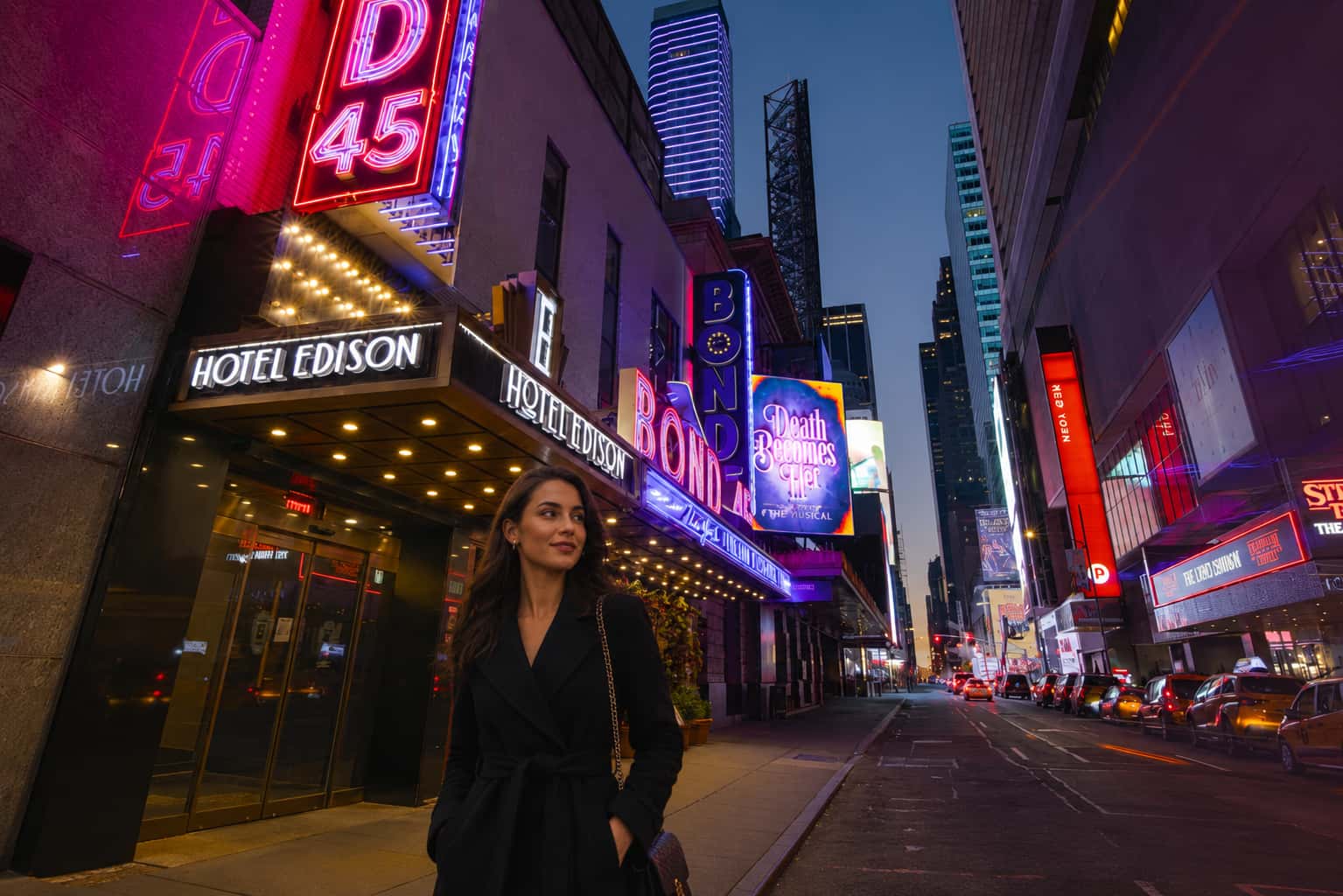
Hotel Edison offers classic Theater District character, strong Broadway access, and a very real Times Square experience.
Some New York hotels try to soften Times Square. Hotel Edison does the opposite. It pulls you directly into it.
Step outside and you are immediately inside the rhythm of Midtown:
- Broadway crowds spilling onto the sidewalks
- Neon reflecting off wet pavement after midnight
- Lines forming outside theaters
- Taxis fighting for space on 47th Street.
Then you walk back through Edison’s doors and the energy barely disappears and simply changes shape.
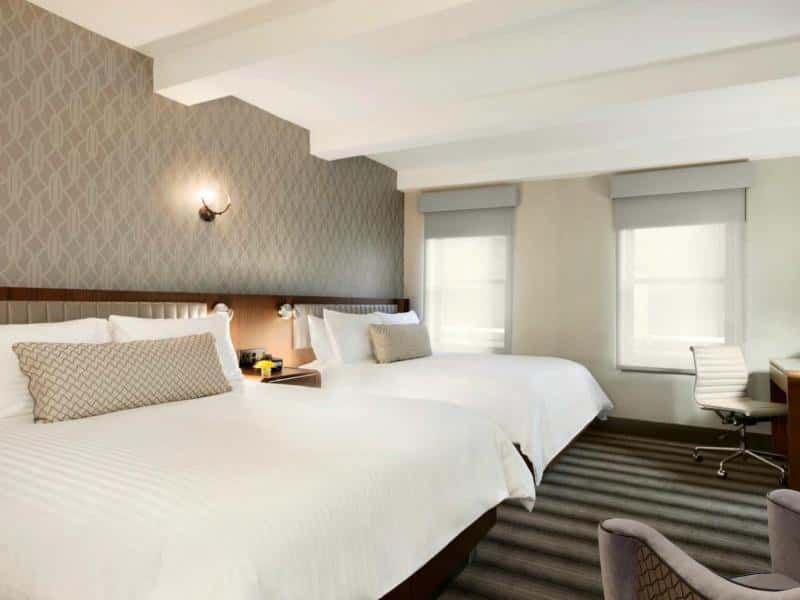
Opened in the early 1930s, Hotel Edison still carries traces of the old Theater District New York that many travelers imagine before arriving in the city. The public spaces retain genuine Art Deco character, The Rum House remains one of the area’s more atmospheric bars, and the location is undeniably powerful. Few hotels place you this close to so many Broadway theaters while still feeling woven into the neighborhood itself.
At the same time, this is not a quiet boutique retreat hiding above Times Square. The venue operates at the scale of a large, high-volume Midtown hotel. Elevators fill quickly after shows end. Breakfast moves with the pace of a transportation hub during busy mornings. Service can feel genuinely warm one moment and noticeably transactional the next, often depending on occupancy pressure, timing, and room category.
The Contrast Defines the Stay
Guests who arrive expecting polished luxury usually focus on the smaller bathrooms, inconsistent room quality, noise, and moments where the operation feels stretched by the sheer volume moving through it each day.
Those who understand the trade-off usually forgive the imperfections. The hotel delivers something many newer Midtown properties struggle to recreate: a sense that you are actually inside old theatrical New York rather than simply staying near it.
Hotel Edison is a location-first, atmosphere-driven Theater District hotel. Here energy, convenience, and character matter more than serenity or meticulous refinement. When the room category, pricing, and traveler mindset align, it can feel surprisingly enjoyable. When they do not, the trade-offs become much more noticeable.
Quick Decision Snapshot
| Category | Verdict |
|---|---|
| What defines the hotel | Historic Art Deco Theater District hotel focused on atmosphere and Midtown access |
| Best for | Broadway trips, first-time NYC visitors, energetic short stays |
| Main strength | Exceptional Times Square and Broadway location |
| Main trade-off | Noise, operational density, and inconsistent room quality |
| Best room strategy | Prioritize Marquee or terrace categories if budget allows |
| Best value period | January and softer winter periods |
| Least attractive pricing periods | October compression weeks and major holiday demand periods |
| Best stay length | 2–4 nights |
| Service style | Variable but often efficient under pressure |
| Noise reality | Noticeable in many rooms, especially lower floors |
| Not ideal for | Quiet-focused luxury travelers or longer restorative stays |
| Pet-friendly | No |
What Kind of New York Hotel This Actually Is
The property can initially look more luxurious than it consistently operates. The Art Deco interiors, large lobby spaces, Broadway history, and cinematic atmosphere create expectations of polished old New York hospitality.
Operationally, though, the hotel behaves more like a very experienced high-volume Midtown property designed to absorb enormous tourist flow while maintaining recognizable character.
The guest reactions start making more sense once you experience how heavily the hotel depends on movement, density, and location. Travelers who prioritize access, movement, and atmosphere often rate the hotel highly. Those expecting calm, spacious refinement tend to react more critically to the smaller bathrooms, elevator pressure, breakfast system, and uneven service warmth.
The hotel’s historical identity remains one of its strongest assets. Opened during New York’s Art Deco expansion, the property still retains genuine visual continuity with the Theater District era that shaped Midtown entertainment culture.
Thomas Edison reportedly participated in the hotel’s opening ceremony by turning on the lights himself, and over the decades the property has appeared in productions including The Godfather, Birdman, Sex and the City, and Bullets Over Broadway.
Location and Theater District Positioning
Few Manhattan hotels are as tightly integrated into Broadway geography as Hotel Edison.
Several major theaters sit within only a few minutes on foot. Subway access around Times Square and 50th Street makes moving through Midtown unusually easy by New York standards.
For visitors planning packed sightseeing days, evening theater schedules, or late-night returns after shows, the location removes a significant amount of logistical friction. That convenience stabilizes the hotel’s reputation more than any other factor.
Many guests clearly tolerate room limitations because the property solves Manhattan movement so efficiently. The hotel effectively allows travelers to experience Times Square as an extension of the stay itself rather than a destination requiring planning or transportation.
The trade-off is constant environmental stimulation. Even late at night the surrounding area rarely becomes quiet. Streets remain active, theaters empty into the sidewalks, and Midtown traffic continues well beyond midnight. Travelers sensitive to density or sensory fatigue may find the environment exhausting after several days, particularly if paired with a noisier room assignment.
Arrival, Lobby Flow, and Functional Experience
This is not a discreet boutique lobby where guests quietly disappear upstairs. The entrance behaves more like a transportation node serving multiple overlapping flows at once: theatergoers returning late at night, early airport departures, restaurant traffic, group arrivals, luggage storage activity, and elevator queues moving continuously through the center of the building.
The public spaces are intelligently scaled for that pressure. High ceilings, wide corridors, layered seating areas, and multiple restaurant zones prevent the property from feeling chaotic even during busy periods. The Art Deco detailing also softens the density psychologically. The hotel feels lively far more often than it feels cramped.
The visible security checkpoint near the elevators is another functional detail worth noting. Some travelers appreciate the additional control in such a busy part of Midtown. Others may find the process slightly transactional compared with smaller hotels.
Rooms and Inventory Hierarchy
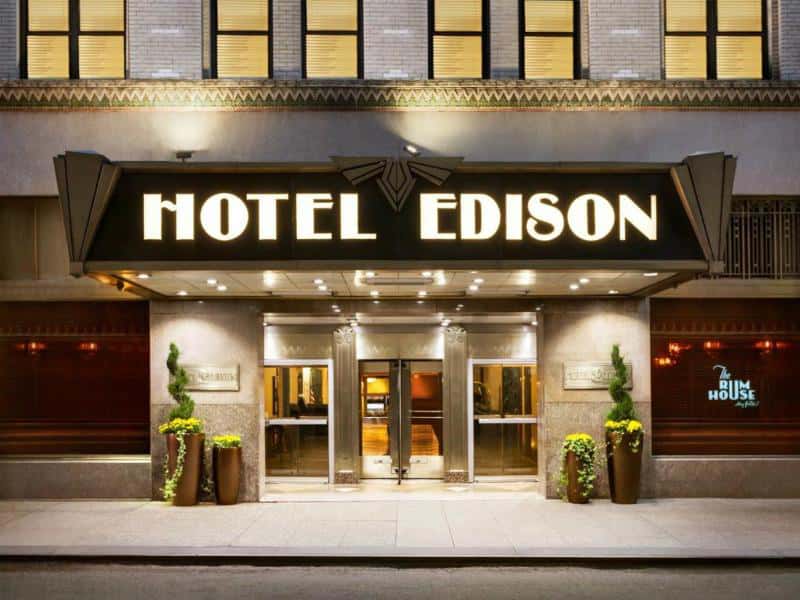
The room experience depends heavily on category choice. This is one of the clearest patterns across guest sentiment and pricing behavior. Guest feedback suggests that renovated Marquee rooms and terrace categories tend to create a stronger impression than older standard inventory.
Entry-Level Rooms
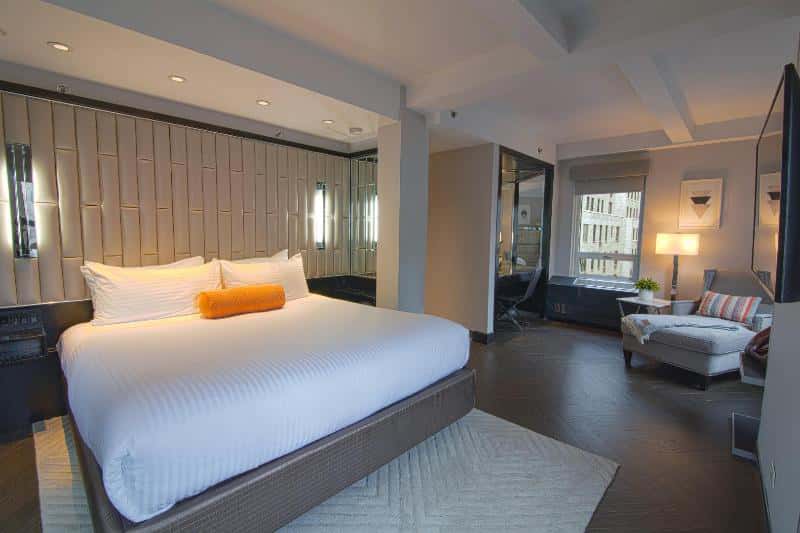
Signature Queen and standard Signature King categories function primarily as efficient Midtown sleeping bases. They are compact even by Manhattan standards, and bathrooms in particular can feel tight during longer stays or family trips.
Storage is limited in many rooms, layouts vary significantly, and natural light depends heavily on room orientation and floor level. The smaller rooms frustrate some travelers immediately, while others barely notice because they spend most of the day outside and return only to sleep.
The strongest value in these categories appears during lower-demand winter periods when rates align more comfortably with the physical product.
Marquee Rooms
The Marquee inventory appears to reduce some of the expectation gap found in older room categories. Updated finishes, more modern presentation, and improved overall feel consistently produce stronger guest reactions. These rooms reduce one of the hotel’s biggest risks: the disconnect between public-space mood and older room inventory.
For many travelers, Marquee categories are likely the safest way to experience the hotel near its best.
Terrace Rooms and Suites
Terrace categories hold unusually strong emotional pricing power for Midtown Manhattan.
The terraces themselves are not expansive luxury spaces in the resort sense. But they offer something psychologically rare in Times Square: visible breathing room. That distinction becomes especially valuable during warmer months and high-compression pricing periods.
The Signature King Terrace Suite often represents the most balanced premium category in the hotel. It delivers noticeably stronger comfort and character without reaching the aggressive pricing behavior seen in the Thomas Edison Suite during peak demand periods.
Family-oriented categories and connecting-room inventory also command substantial premiums during summer and autumn compression windows, reflecting how limited larger-room supply remains in this part of Midtown.
Sleep Quality and Noise Reality
Noise is one of the hotel’s most consistent operational trade-offs. Street exposure, HVAC systems, hallway traffic, and Times Square activity all contribute to variable sleep quality depending on room placement.
Lower floors and outward-facing rooms generally appear more vulnerable to outside noise, while some guests also report noticeable sound leakage through walls or corridors.
At the same time, many travelers arrive expecting exactly this kind of environment. That expectation softens criticism considerably. Guests treating the hotel as part of an active Broadway trip often tolerate the noise far more easily than travelers hoping for a restorative Midtown retreat.
Room assignment matters heavily here. Higher floors and renovated inventory appear to improve the experience substantially.
Food, Breakfast, Bars, and Theater Culture
The property partly compensates for compact rooms by encouraging guests into lively public spaces, restaurants, bars, and social areas integrated into the Theater District character.
Breakfast
Breakfast is the hotel’s most operationally fragile area.
The included grab-and-go system works efficiently for travelers rushing toward early tours or flights. However, many guests expecting a slower sit-down experience react negatively to the voucher structure, seating limitations, and repetitive selection.
This becomes especially noticeable during longer stays. Travelers spending a week at the hotel often describe breakfast fatigue by the end of the trip.
Importantly, the dissatisfaction is not primarily about food quality itself but is more about how the system feels. During busy mornings the process can resemble crowd management more than hospitality.
Bond 45 and Friedman's
The attached dining ecosystem is stronger than many Times Square hotels at this level. Bond 45 in particular helps reinforce the property’s Broadway positioning, while Friedman's provides a more casual but reliable Midtown option. Together they create a more useful food infrastructure than many neighboring tourist-heavy properties.
The Rum House
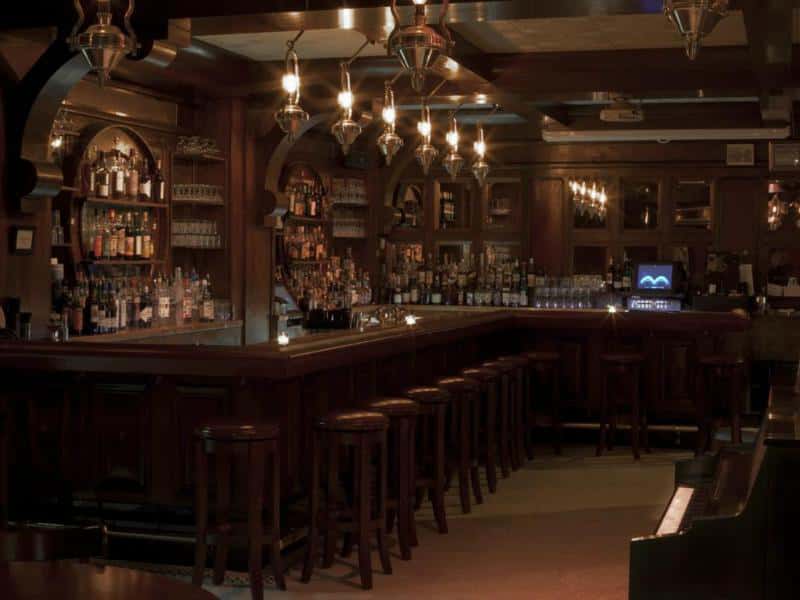
The Rum House is one of the hotel’s strongest emotional assets. Dark lighting, jazz performances, vintage feel, and the sense of old Midtown nightlife give the hotel a layer of authenticity that many newer Times Square properties struggle to replicate. Even guests who criticize aspects of the stay often speak positively about the bar and surrounding atmosphere.
Service Consistency and Hospitality Psychology
Guest sentiment repeatedly shows strong appreciation for individual staff members. Employees such as Latoya, Cristian, Majeda, and Syed appear multiple times in positive reviews. They are often associated with warmth, local guidance, or problem-solving during stressful situations.
During calmer periods the hotel can feel genuinely welcoming. But during heavy occupancy windows, interactions sometimes become noticeably transactional. Guests then begin describing the property as rushed, impersonal, or emotionally cold even when operational basics continue functioning.
This pattern is common in very large Midtown hotels. However, it becomes more visible here because the building’s feel initially suggests a more intimate experience than the operation can always deliver.
Several recurring frustrations deserve mention:
- delayed request fulfillment,
- inconsistent follow-through,
- breakfast staffing pressure,
- and post-stay deposit concerns.
The deposit issue appears frequently enough in guest feedback to acknowledge cautiously, though not at a level suggesting systemic financial misconduct. More accurately, it reflects communication and follow-up friction that becomes emotionally amplified after guests return home.
Pricing Intelligence and Value Positioning
Hotel Edison’s pricing behaves more aggressively than the room product alone might suggest.
The hotel monetizes:
- Theater District access,
- Midtown compression,
- Broadway demand,
- and Times Square convenience
as much as physical room quality itself.
That strategy works during many periods because the location is genuinely difficult to replicate at a similar scale.
Typical Pricing by Inventory Tier
| Room Category | Low-demand weekday | Summer weekday | Summer weekend | Fall compression weekday |
|---|---|---|---|---|
| Signature Queen | ~$209 | ~$333 | ~$320 | ~$565 |
| Marquee King | ~$280–320 | ~$425 | Unavailable in sample | ~$700+ |
| Terrace Suites | ~$450–600 | ~$629–684 | ~$625–708 | ~$900–1,300+ |
| Thomas Edison Suite | ~$700–900 | Unavailable in some summer checks | ~$1,150 | ~$1,600+ |
All pricing referenced throughout this review was checked in mid-May 2026 and should be treated as indicative only. New York hotel pricing can fluctuate significantly depending on season, occupancy, events, and booking window.
January Value Behavior
January is where the hotel becomes most convincing financially. Rates soften enough that the combination of location, atmosphere, and Broadway access starts to feel genuinely attractive. Travelers comfortable with smaller rooms can find solid value here.
Summer Behavior
Summer produces more complex pricing patterns. July showed stronger discount-driven behavior through Booking.com promotions and inventory pressure around family categories. August weekend pricing looked more controlled and operationally stable despite heavy leisure demand. Terrace categories carry especially strong psychological premiums during summer stays.
October Compression
October creates the hotel’s most difficult value environment. During autumn Midtown compression, rates can rise dramatically across nearly all categories, particularly around Broadway activity and citywide business demand. At those pricing levels, guests begin evaluating the hotel against physically stronger properties rather than against location convenience alone.
Booking.com vs Direct Booking
Across sampled dates, Booking.com pricing remained broadly aligned with the official website once taxes, packages, and breakfast inclusions were considered. The difference lies more in presentation strategy:
- The official website emphasizes bundled value and Midtown experience.
- Booking.com leans heavily into urgency, discounts, and scarcity messaging.
Guest Sentiment Intelligence
The guest feedback profile becomes much easier to understand once the hotel’s functional identity is clear.
Guests who love the property usually prioritize:
- Broadway convenience,
- Midtown walkability,
- historic atmosphere,
- renovated rooms,
- energetic New York immersion.
Guests who leave disappointed tend to focus on:
- bathroom size,
- noise,
- breakfast frustration,
- service inconsistency,
- compression-period pricing.
Importantly, many severe criticisms appear tied to expectation mismatch rather than catastrophic operational failure. Travelers arriving expecting a polished luxury hotel react very differently from travelers expecting a lively Times Square base with historic character. That distinction explains why the hotel can simultaneously generate enthusiastic repeat guests and deeply frustrated reviews.
Platform scores support this interpretation:
- Booking.com: 8.0/10
- Google Reviews: ~3.8/5
- Tripadvisor: ~3.7–3.9/5 depending on review period
Airport Access and Transportation
The hotel is relatively straightforward to reach from all three major New York airports.
- From JFK Airport, a yellow taxi trip typically takes between 45 and 90 minutes.
- From LaGuardia Airport, taxi and rideshare transfers are usually faster, often ranging between 30 and 60 minutes depending on Midtown congestion.
- From Newark Liberty International Airport, travelers can either take a taxi into Manhattan or combine NJ Transit with Penn Station access for a cheaper rail-based option.
Because the hotel sits in one of Midtown’s busiest tourism zones, rideshare pickup and drop-off traffic around theater hours can become slow and crowded.
Who This Hotel is Best For
Hotel Edison works best for:
- first-time New York visitors,
- Broadway-focused trips,
- energetic short stays,
- families prioritizing location,
- travelers who plan to spend most of the day exploring Midtown.
It works less well for:
- light sleepers,
- extended-stay travelers,
- luxury-focused guests,
- remote workers,
- travelers prioritizing quiet and restorative downtime.
The hotel rewards guests who understand Midtown trade-offs before arriving.
Final Verdict
The hotel understands the Theater District exceptionally well. It knows how Broadway traffic moves, how Times Square tourism behaves, and how to turn Midtown density into part of the atmosphere rather than something completely hidden from guests. At its best, the property feels lively, cinematic, and genuinely connected to old New York theater culture in ways many newer hotels cannot replicate.
Its weaknesses are real. Room quality varies more than it should. Noise remains part of the experience. Breakfast is functional rather than memorable. Service warmth fluctuates noticeably during busy periods, and compression pricing can occasionally move faster than the underlying room product comfortably supports.
But Hotel Edison is also more emotionally recognizable than many Midtown competitors. Travelers who choose the right room category, approach the hotel with calibrated expectations, and want to experience Times Square rather than escape it often leave understanding exactly why the property has remained relevant for so long.
It is not the calmest version of New York hospitality but it may be one of the most unmistakably Midtown versions of it.
Frequently Asked Questions
Is Hotel Edison a luxury hotel?
Not in the traditional Manhattan luxury sense. The hotel is better understood as a historic, atmosphere-driven Theater District property focused on location and Broadway energy rather than personalized luxury service.
Which rooms are most worth booking?
Marquee rooms and terrace categories consistently appear to deliver the strongest guest satisfaction and best balance between comfort and atmosphere.
Are the renovated rooms significantly better?
Yes. Guest feedback strongly suggests renovated inventory performs materially better than older standard rooms.
Is the hotel noisy?
Often, yes. Street activity, HVAC systems, hallway traffic, and Times Square energy can all affect sleep quality depending on room location.
Is breakfast included?
Some rates include grab-and-go breakfast vouchers. The system is convenient for fast mornings but less appealing for travelers expecting a relaxed sit-down experience.
Is Hotel Edison good for families?
It can work well for families prioritizing Broadway access and Midtown convenience, especially in connecting-room or terrace categories. Bathroom size and breakfast crowding are the main trade-offs.
Is the location really that good?
Yes. The location is one of the hotel’s clearest strengths and heavily shapes its positive guest sentiment.
Is the Rum House worth visiting?
Absolutely. Even independent of the hotel stay itself, The Rum House remains one of the more atmospheric bars around Times Square.
When does the hotel offer the best value?
January and softer winter periods generally create the strongest balance between pricing and overall experience.
When should travelers be more cautious about pricing?
Autumn compression periods, major Broadway demand weeks, and holiday seasons can push rates significantly higher than the physical room product alone might justify.