Japan Airlines (JAL) continues to lead the way in sustainable aviation by offering its innovative Meal Skip program across all international flights and cabin classes. This forward-thinking initiative aligns with JAL’s commitment to environmental stewardship and its ambitious goal of achieving net-zero carbon emissions by 2050—a standard now expected by discerning global travelers.
First introduced on the Tokyo–Bangkok route, the Meal Skip option quickly gained traction and was soon rolled out to all Southeast and East Asian routes, especially on overnight segments where passengers often prioritize uninterrupted rest. Today, the program covers every international departure, reinforcing JAL’s role as an industry leader in responsible travel.
Through the Ethical Choice Meal Skip Option, travelers can choose to forgo their in-flight meal up to 25 hours prior to departure using the streamlined ‘Service Selection’ feature on the official JAL website. This not only minimizes food waste—one of the aviation industry’s persistent challenges—but also enhances the onboard rest experience by reducing service interruptions.
For every meal declined, JAL makes a donation to the internationally recognized Table For Two Program. Originating in Japan, this non-profit initiative funds nutritious school meals for children in underserved regions, ensuring that a sustainable choice in the skies has a tangible impact on communities worldwide.
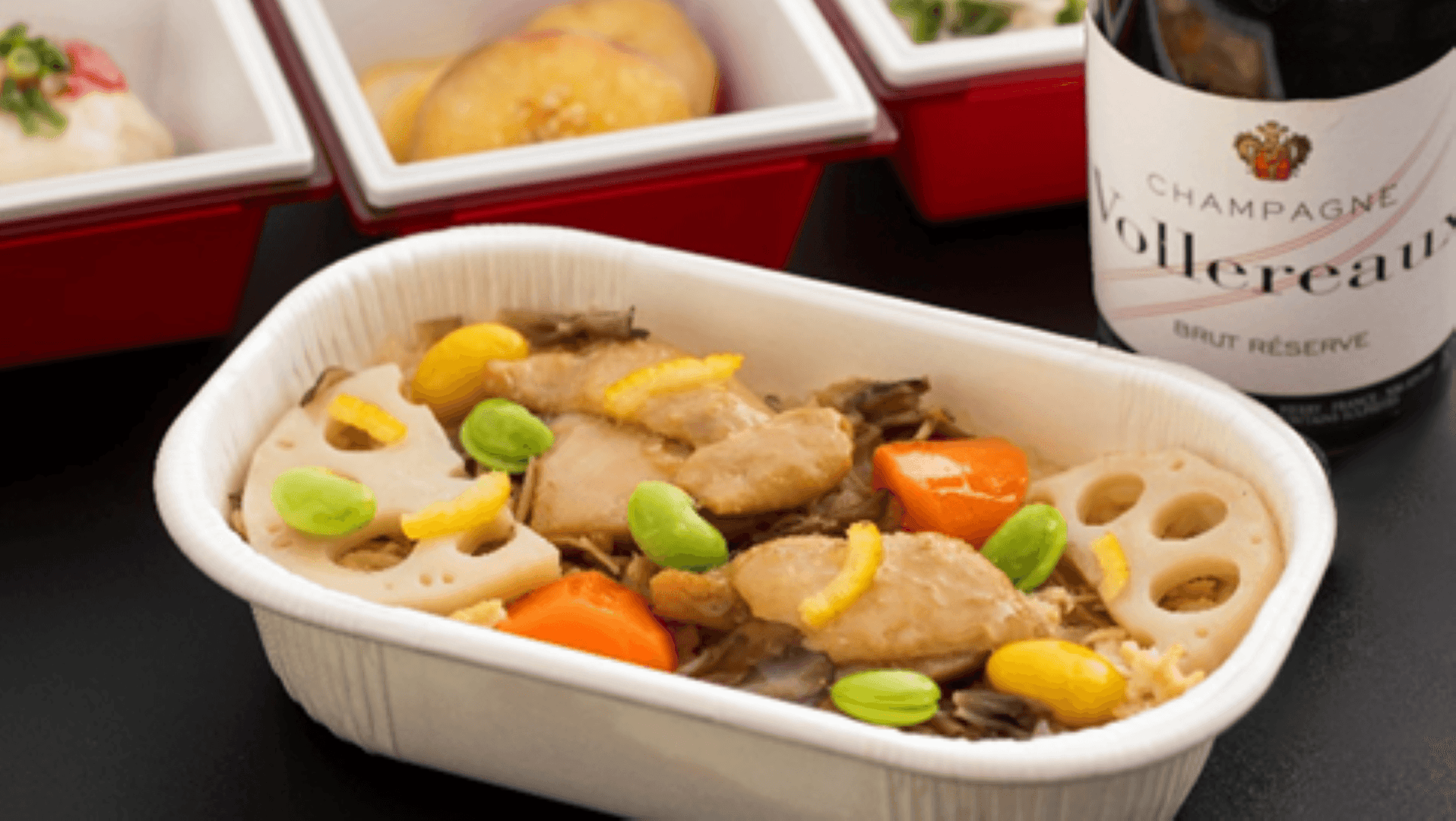
Business Class guests who still wish to dine onboard can pre-select the Express Meal—a sophisticated, single-tray offering designed for efficiency and culinary excellence. The menu, refreshed quarterly, features both Japanese and Western options, with an emphasis on plant-based and locally sourced ingredients to further reduce the airline’s environmental footprint.
Premium Economy travelers are treated to the exclusive "RED à table" menu, a culinary collaboration between top chefs specializing in Vietnamese, Italian, and Japanese cuisines. Available on all medium- and long-haul international flights, these dishes highlight the Future 50 Foods—an initiative by Unilever and WWF promoting ingredients that are both nutrient-rich and eco-conscious.