Biometric facial recognition has evolved into a cornerstone technology for modern aviation, with airlines and airports worldwide accelerating the rollout of advanced identity verification systems. These initiatives aim to deliver seamless international travel, reduce wait times, and elevate the passenger journey with secure, contactless processes.
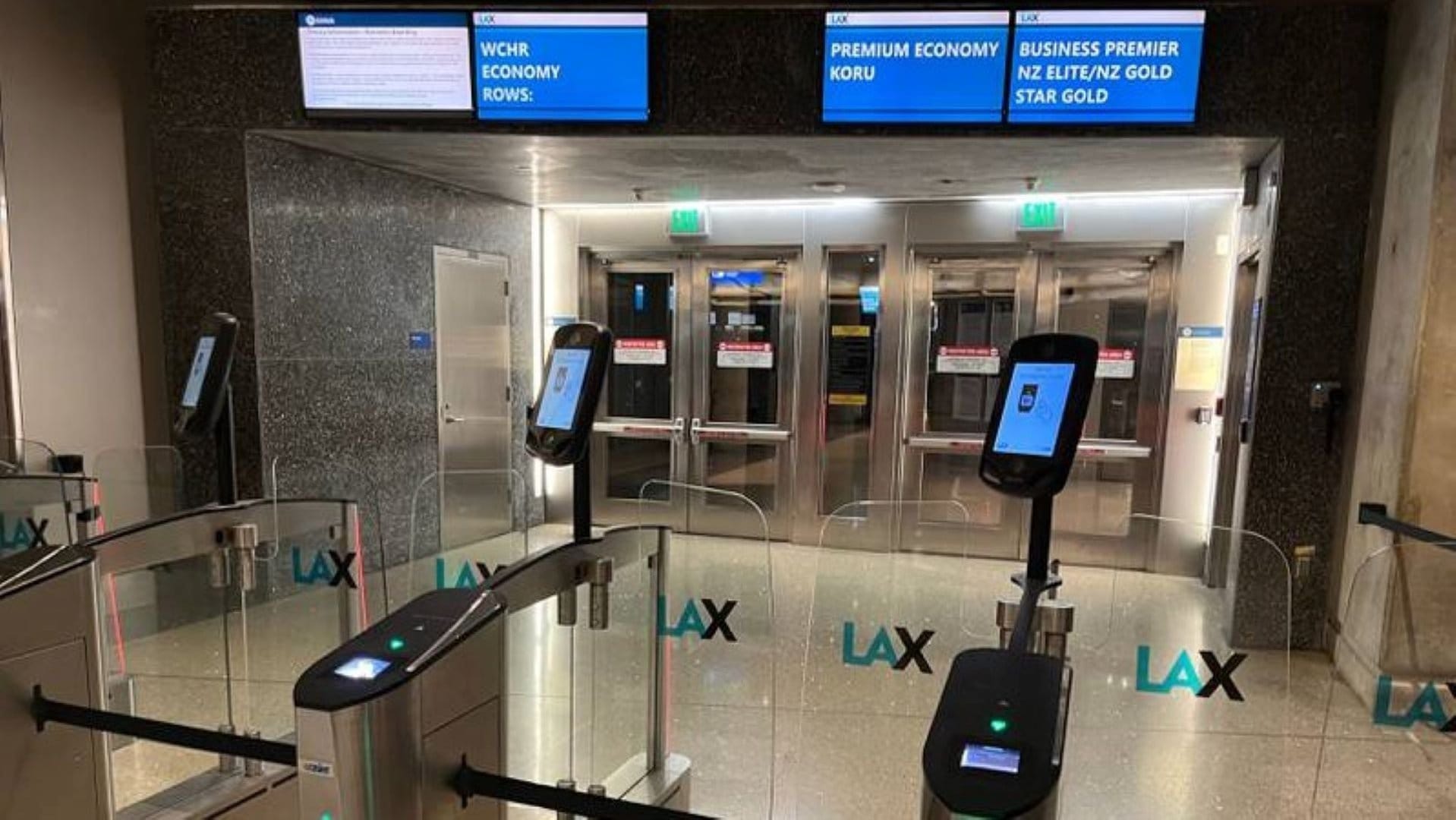
Air New Zealand continues to position itself at the forefront of digital innovation, recently expanding its biometric facial recognition pilot at Los Angeles International Airport (LAX). This program, part of the airline’s mission to become the industry’s most digitally advanced carrier, allows travelers to enroll their biometric information with US Customs and Border Protection (CBP) upon arrival in the United States. This data—safeguarded under strict privacy protocols—is then utilized at automated boarding gates. Importantly, biometric records remain confidential, are not shared with Air New Zealand or any third party, and participation remains entirely voluntary for passengers who prefer traditional methods.
Following LAX, San Francisco International Airport (SFO) is slated as the next major US gateway for Air New Zealand’s biometric boarding, with additional American hubs to follow as part of a phased rollout. This reflects a global trend as more carriers prioritize digital identity solutions to streamline airport operations.
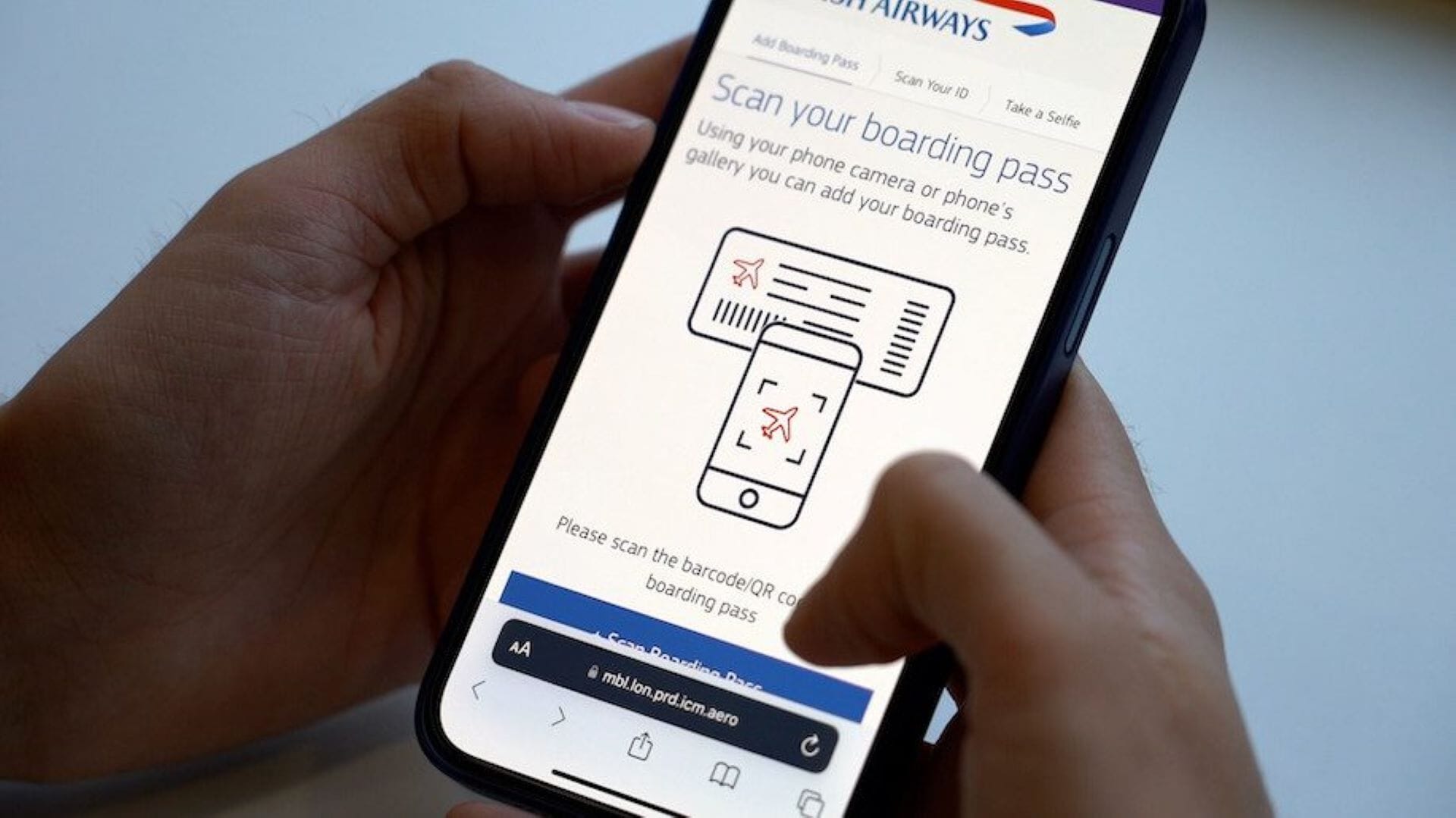
British Airways, a pioneer in biometric boarding since 2017 for domestic routes at Heathrow, has now extended its technology to international flights. As of 2025, BA is conducting a high-profile six-month trial on select services between London Heathrow Terminal 5 and Malaga Airport, Spain. Invited travelers can securely scan their face, passport, and boarding pass from the comfort of home using a dedicated link sent via email, up to 72 hours before departure. Upon arrival at Heathrow, the new generation of ‘Smart Bio-Pods’ instantly recognize enrolled passengers, eliminating the need to show a passport until reaching Malaga. This enhanced process not only accelerates boarding but also minimizes physical document handling.
Trial participants continue to show their boarding passes at Heathrow security, but benefit from expedited fast-track security and complimentary priority boarding, underscoring the airline’s commitment to premium service. Should the trial prove successful, British Airways plans to expand biometric boarding to a wider network of international destinations in the coming year.
Explore our in-depth review of Air New Zealand’s Business Class experience
Discover our expert insights into British Airways Business Class