For decades, the luxury hotel landscape was dominated by sprawling properties boasting hundreds of rooms. Yet, a seismic shift began in the 1980s when visionary hoteliers discovered that smaller hotels—typically with fewer than 100 rooms—could provide a more personalized, discreet experience, allowing for higher nightly rates and a distinctive vibe tailored to niche audiences. This sparked the boutique hotel revolution, a trend that continues to flourish. Today, luxury fashion houses and celebrity restaurateurs curate their own exclusive hotels, with results ranging from extraordinary to merely intriguing.
During the late 1990s, I formed a friendship with a Japanese advertising executive who relocated to London to oversee his agency's European operations. We bonded over our mutual struggles with golf, our respective quests to master each other's languages, and a shared passion for exceptional food.
Each week, we would alternate choosing restaurants, embarking on a year-long culinary odyssey across London—from three-star Michelin temples to hidden late-night bagel joints in the East End. Price was never a constraint; the only rule was never to revisit any venue, no matter how unforgettable.
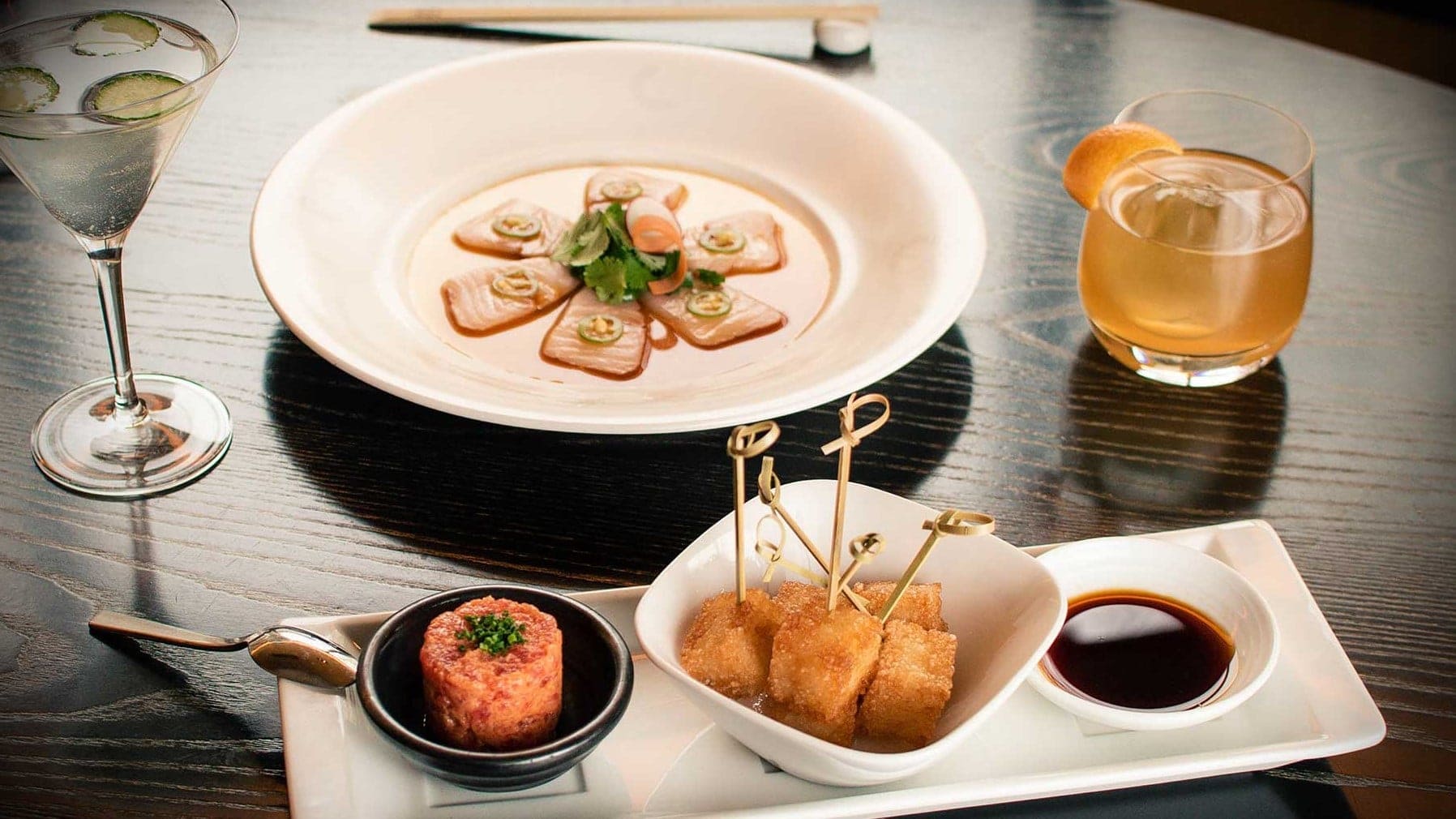
One particular evening, I managed to secure a coveted table at Nobu on Old Park Lane, confident my friend would appreciate the contemporary Japanese-Peruvian flavors that made chef Nobu Matsuhisa a global icon. As we dined, our conversation meandered from The Open Championship to financial news and global affairs, though my companion offered little commentary on the cuisine itself.
The following week, he invited me to Miyama, another Japanese restaurant. I was surprised by the back-to-back focus on Japanese fare, but as our meal concluded, he asked for my thoughts. I told him honestly it was among the most memorable meals I'd had. He responded, "Sharma-san, last week the chef prepared dishes he thought I would prefer. Tonight, the chef cooked as he intended, and let me decide if I liked it." That lesson in authenticity versus branding has stayed with me.
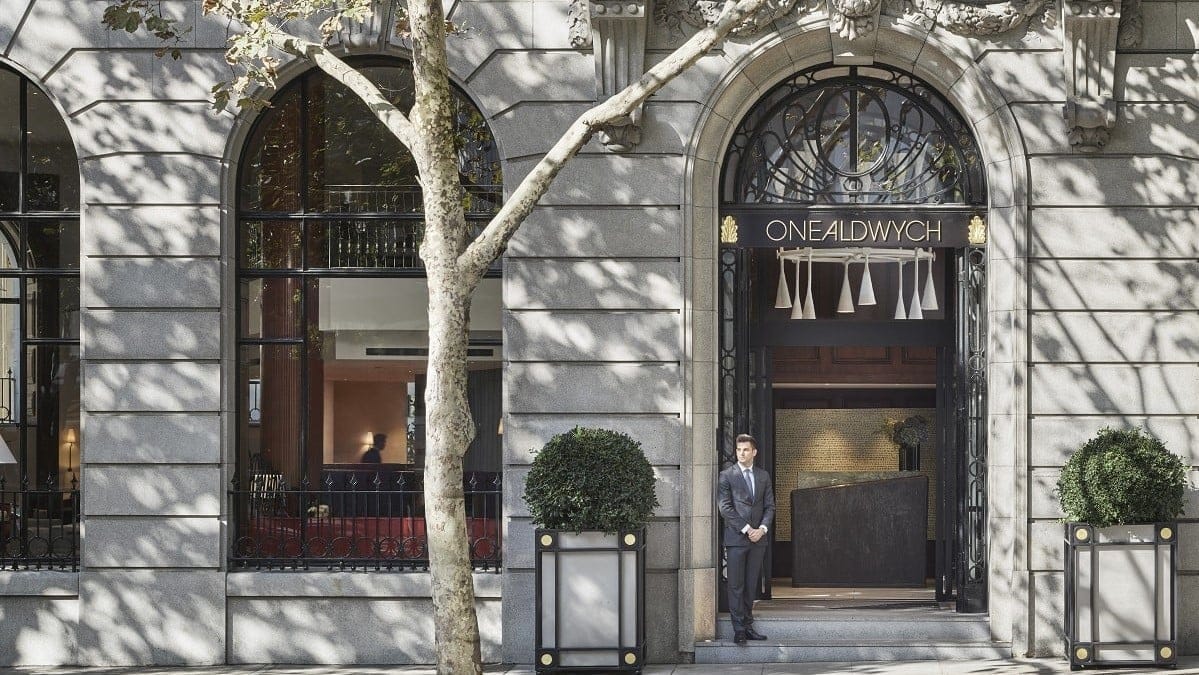
Fast forward to today: Nobu has continued its growth in London with the opening of Nobu Hotel London Portman Square, which now occupies the site of the former Radisson Blu Portman Hotel. In a city boasting legendary grand hotels like The Lanesborough, The Dorchester, and the Mandarin Oriental, as well as iconic boutique addresses such as Covent Garden Hotel, One Aldwych, and The Stafford, what makes a discerning traveler choose Nobu?
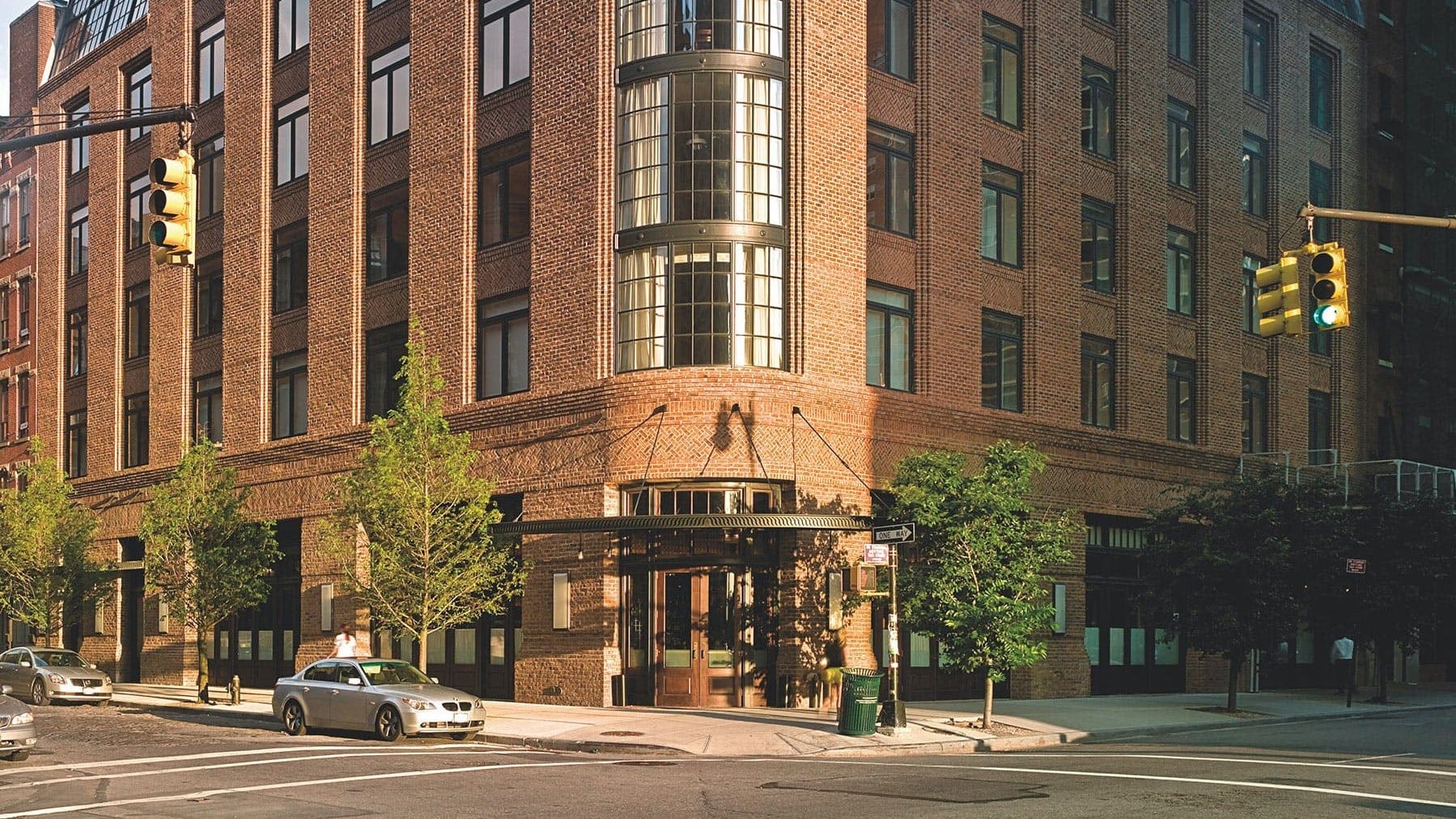
With Hollywood legend Robert De Niro as a co-owner—a man with deep hospitality credentials—Nobu's hotel portfolio has expanded internationally. His Greenwich Hotel in New York, opened in 2008, remains a benchmark for boutique luxury, with just 88 elegantly understated rooms and suites. In a city saturated with five-star options, De Niro’s focus on intuitive, attentive, and genuinely warm service stands out.
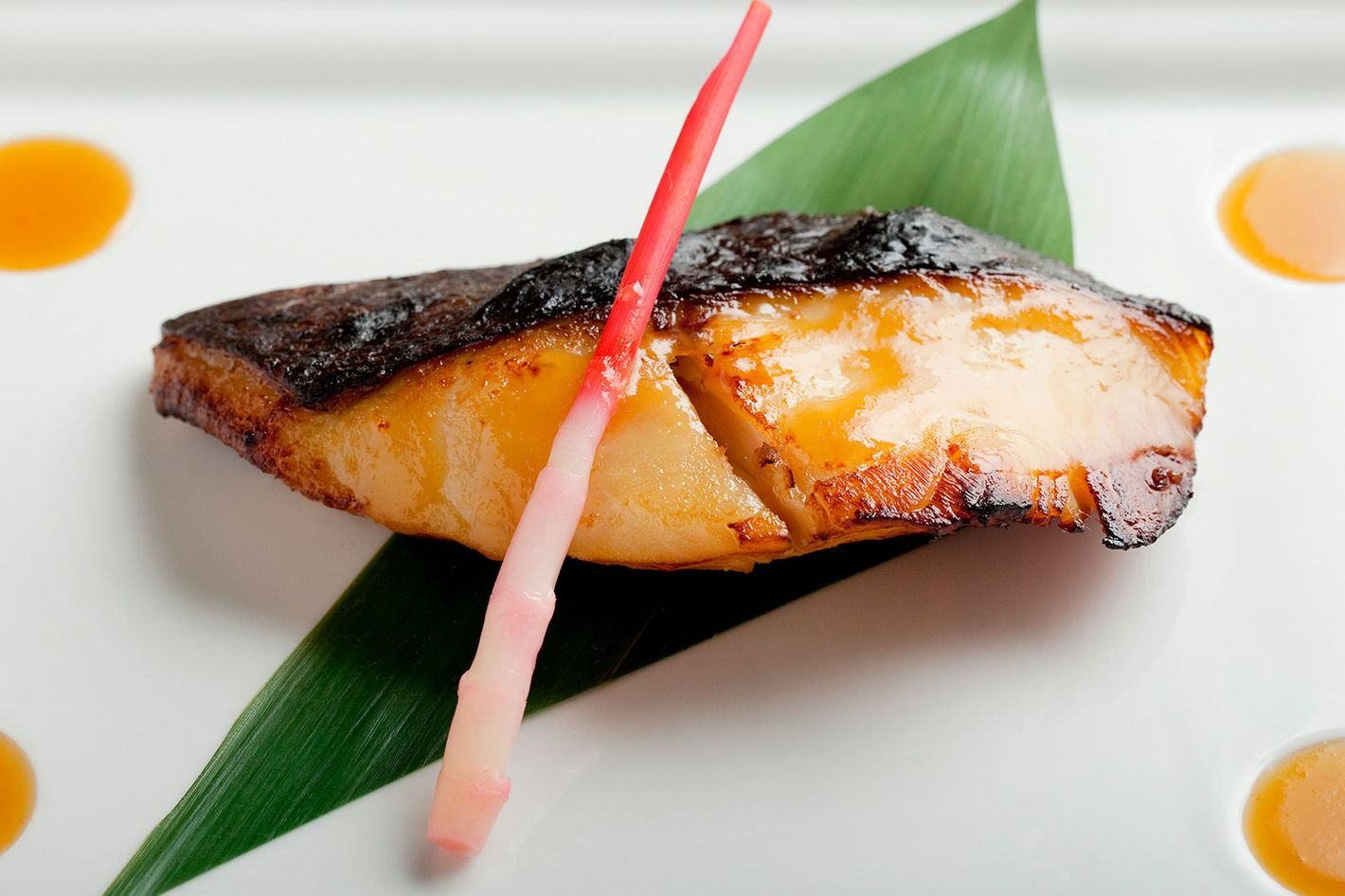
While De Niro’s vision for a London outpost evolved, his partnership with Nobu brought a new wave of Japanese-inspired boutique hotels to destinations like Marbella and Warsaw, with more on the horizon. Here, guests come for minimalist rooms and signature dishes like black cod miso—branding and experience woven seamlessly together.
By definition, boutique hotels are independent or part of a small collection, rarely exceeding a hundred rooms. They can focus on a singular, compelling narrative—such as Nobu’s culinary heritage—without the need to replicate the extensive facilities of larger luxury chains.
The 2000s saw luxury brands like Bulgari, Versace, Armani, and Ralph Lauren diversify into hospitality, seeking to convert loyal aficionados from established names like Four Seasons and Ritz-Carlton. These designer hotels offered branded amenities and homeware, often available for purchase, blurring the lines between lifestyle, retail, and travel.
Not all crossovers succeeded. In Switzerland, McDonald’s experimented with the Golden Arch Hotels, blending fast food and accommodation. The concept faltered within three years, underscoring the importance of genuine brand alignment in hospitality.
The rise of boutique hotels has had a transformative effect on traditional luxury hoteliers. No longer the only game in town, grand hotels responded by investing in advanced technology, secluded suites, and extravagant wellness offerings, all while striving to deliver the intimate, "everyone knows your name" atmosphere that defines boutique hospitality.
Looking ahead, the burgeoning luxury travel markets of India and China are shaping new preferences. Many affluent travelers from these countries still seek the cachet of iconic addresses, desiring photos at landmarks like the George V in Paris or the Grand Hotel in Stockholm. Major brands are responding with extraordinary investments—think Olympic-sized pools and expansive spas—while also acquiring boutique collections to diversify their appeal.
Yet, at its core, hospitality is about service. My travels have shown that even modest properties can surpass opulent hotels when staff possess a natural gift for making every guest feel unique. That innate sense of welcome cannot be manufactured.
Pricing has also evolved. Where boutique hotels once offered a value alternative to established luxury giants, they now compete directly on rate, justified by their elevated offerings and curated experiences.
As we look to the future, the next chapter in boutique hospitality may well unfold beyond Earth’s boundaries, with brands like Peninsula, Four Seasons, and Ritz-Carlton already exploring the possibility of orbital hotels. The ultimate luxury address could soon be among the stars.
On a personal note, my friend has since retired to Tokyo, where he continues to play golf regularly—his swing, I’m told, remains as unpredictable as ever!
Varun SharmaEditor-In-ChiefBusinessclass