
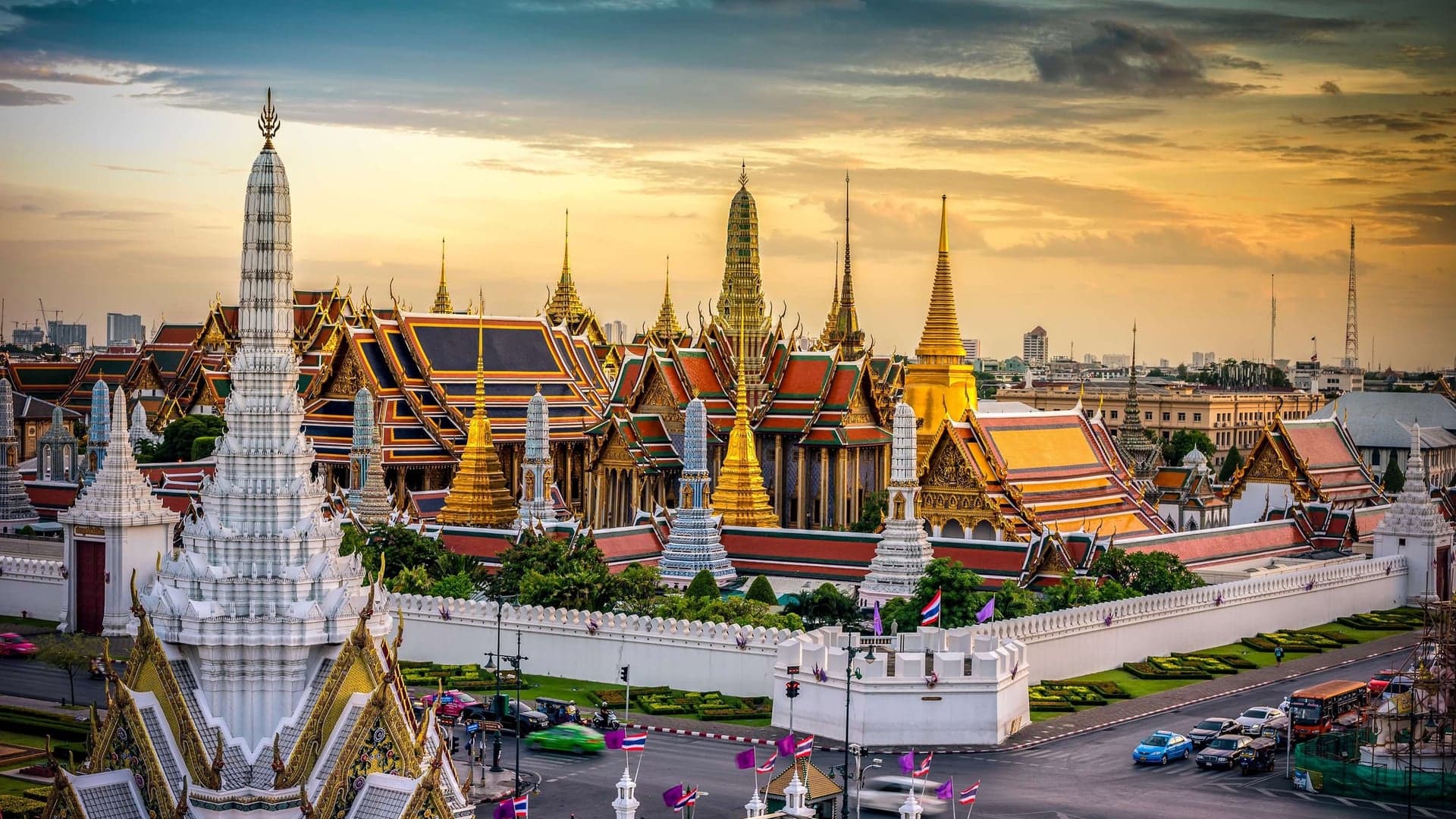
Among the world’s most astonishing cultural treasures, the Golden Buddha reigns supreme in the heart of Bangkok, Thailand’s vibrant capital. Crafted entirely from solid gold, its story is as captivating as its appearance. Our seasoned contributor, Dawn Jorgensen, reveals its origins and enduring mystique: Housed in the revered Wat Traimit, the Phra Phuttha Maha Suwana Patimakon—commonly known as the Golden Buddha—sits in serene meditation. Unlike typical Buddha statues adorned in gold leaf, this masterpiece is forged entirely from 18 and 24-carat gold, measuring three meters tall and wide, and weighing an extraordinary 5.5 tons, making it the largest solid gold statue on earth.
Shrouded in legend, the Golden Buddha is believed to have been cast during the Sukhothai period, which flourished from 1238. Historians suggest it was later relocated to Ayutthaya, the next royal capital, following Sukhothai’s decline. When Ayutthaya fell to Burmese forces in 1767, guardians disguised the statue with stucco and colored glass to safeguard it from looting, a clever concealment that ensured its survival for nearly two centuries.
After Bangkok was established as the new capital, royal decree mandated the transfer of sacred Buddha images for safekeeping. The Golden Buddha, still masked by plaster, found a new home in Wat Chotanaram and, after that temple’s decline, was moved to Wat Traimit in Chinatown, quietly resting in an unassuming structure for decades.
The statue’s true nature remained a secret until 1955, when an accidental drop during relocation cracked the outer shell, revealing a glint of gold beneath. Meticulous restoration followed, and the Golden Buddha was finally unveiled in its full glory, celebrated as a symbol of resilience and fortune.
Today, visitors to Wat Traimit can view photographs chronicling the statue’s remarkable journey, alongside fragments of the original stucco and the pulley believed to have altered its destiny. These artifacts are a testament to the ingenuity and reverence of past generations. Bangkok: The City of Angels
Bangkok’s ceremonial name, ‘Krungthep Mahanakhon Amon Rattanakosin Mahinthara Ayuthaya Mahadilok Phop Noppharat Ratchathani Burirom Udomratchaniwet Mahasathan Amon Piman Awatan Sathit Sakkathattiya Witsanukam Prasit’, is the world’s longest place name—166 characters that poetically describe the ‘City of Angels’ and its royal legacy.
For the city’s nearly 11 million residents, and for countless visitors, ‘Bangkok’ encapsulates a cosmopolitan spirit. Here, ancient temples nestle beside sleek skyscrapers, bustling street food markets stand steps from luxury malls, and tranquil palace gardens offer a peaceful escape from the city’s pulse. Bangkok remains the gateway to Thai culture, heritage, and hospitality, promising a dynamic blend of tradition and modernity at every turn.


City Highlights, from Temples to Floating Markets
Wat Arun—known as the Temple of Dawn—stands majestically on the banks of the Chao Phraya River, directly facing the Grand Palace. Its spires, adorned with delicate porcelain mosaics, shimmer as the morning sun rises, creating a breathtaking spectacle. The temple’s origins trace back to the 17th century, with the central prang completed under King Rama II, and it remains one of Bangkok’s most photographed landmarks.
Bangkok’s Chinatown, or Yaowarat, in Samphanthawong district, pulses with energy and color. By day, it bustles with gold shops and market vendors; at night, neon lights illuminate the streets, and a vibrant street food scene comes alive. The area’s fusion of Thai and Chinese traditions makes it a culinary and cultural hotspot, drawing gourmets and explorers alike.
Nicknamed the ‘Venice of the East,’ Bangkok’s intricate network of klongs (canals) is best explored by private longtail boat. Glide past traditional teak houses on stilts, pass under ornate bridges, and witness daily river life—an authentic glimpse into the city’s living heritage.
Once an independent province, Thonburi is now a thriving district offering a window into Bangkok’s past. In Bangluang, the Baan Sinlapin (Artists’ House) serves as a creative hub, hosting art exhibitions and daily puppet shows in a lovingly preserved riverside building. Nearby, Wat Kamphaeng—dating to the Ayutthaya period—welcomes visitors with blessings from resident monks and displays rare Buddha relics and traditional fortune sticks in historic chambers.
Bangkok’s shopping scene is world-class, rivaling any global metropolis. For luxury retail, ICONSIAM on the riverfront offers flagship boutiques and curated experiences. Other must-visit destinations include Siam Paragon, CentralWorld, the avant-garde Siam Discovery, and the iconic MBK. For a market adventure, Chatuchak Weekend Market is a labyrinth of over 15,000 stalls, while the floating markets, especially Damnoen Saduak (about 100 km from the city), provide a sensory feast of tropical produce and authentic Thai snacks—best explored early in the morning by private boat.
Despite its dynamic urban rhythm, Bangkok is home to more than 30 lush parks. King Rama IX Park, spanning 80 hectares, features tranquil lakes and manicured gardens. Lumpini Park, the city’s oldest, is a green oasis near Patpong’s nightlife, beloved for morning tai chi and shaded pathways.
Bangkok is a street food capital, where culinary adventures await around every corner. Sample signature dishes like Tom Yum Goong and Som Tum from bustling night markets or roadside vendors. For Michelin-starred street fare, Raan Jay Fai in the Old Town is legendary—her fiery crab omelette has earned global acclaim and remains a bucket-list experience for foodies.


Rooftop Restaurants and Bangkok Skylines
Bangkok’s skyline is an essential part of the city’s allure, with dramatic rooftop venues offering sweeping views and elevated gastronomy. Infinity pools seem to merge with the cityscape, and as dusk falls, the illuminated towers create a mesmerizing backdrop for sophisticated evenings.
The Okura Prestige Bangkok sets the standard for fine dining with its Michelin-starred Elements restaurant. Perched on the 25th floor, Elements presents a refined fusion of French and Japanese cuisine, now led by Executive Chef Antony Scholtmeyer, and continues to earn accolades for its innovative tasting menus and impeccable service.
For a quintessential rooftop experience, Banyan Tree Bangkok’s Vertigo Grill and Moon Bar, on the 61st floor, provide uninterrupted 360-degree vistas. Vertigo specializes in premium seafood and grilled steaks, while Moon Bar is a favorite for expertly crafted cocktails and sunset panoramas, ensuring every seat has a city view.
SEEN Restaurant & Bar, atop the AVANI Riverside Bangkok Hotel, has become a trendsetting destination since its debut. The art deco-inspired space spans both the 26th and 27th floors, featuring stylish lounges, bold cocktails, and panoramic Chao Phraya River views. The fusion menu and eclectic décor draw an international crowd.
For the highest dining in Thailand, Mahanakhon Bangkok SkyBar crowns the King Power Mahanakhon, 76 floors above the streets. The design, by Tristan Auer, is sleek and contemporary, with both indoor and al fresco seating. The 360-degree outlook is simply unrivaled, making it a must for culinary adventurers and Instagram enthusiasts.
At the Waldorf Astoria Bangkok, The Loft is inspired by the artful glamour of 1930s New York. This atmospheric bar pairs bespoke cocktails with gourmet bites, all in a setting that blends Art Nouveau elegance with the brand’s storied heritage. The Loft is consistently ranked among Asia’s top hotel bars for its creativity and ambience.


Where to stay in Bangkok
Bangkok’s luxury accommodations offer a world of indulgence, from artfully designed suites to rooftop infinity pools and world-class wellness spas.
Explore our expert-curated guide to the top luxury hotels in Bangkok

Navigating the City of Angels
Navigating Bangkok is seamless, thanks to its modern transit systems and diverse transport choices. The BTS Skytrain and MRT subway offer fast, air-conditioned connections across major districts. For a quintessential experience, traditional tuk-tuks and river ferries provide a lively way to explore. Private drivers with luxury vehicles are widely available for bespoke journeys, and for convenience, GrabCar and metered taxis remain reliable—just remember to have your hotel’s details handy for smooth communication. For a unique perspective, charter a long-tail boat for a private cruise through the city’s canals and along the Chao Phraya River.

Getting there
Bangkok is served by two major airports. Suvarnabhumi International Airport (BKK) is the primary gateway for long-haul flights from Europe, the Americas, and beyond, located 30 kilometers (19 miles) east of the city center and renowned for its efficient arrivals process. Don Mueang International Airport (DMK) mainly handles regional and domestic flights and sits 26 kilometers (16 miles) from downtown. Both airports offer premium lounges, fast-track immigration, and convenient transport links, ensuring a smooth arrival for discerning travelers.

‘
‘It is better to travel well than to arrive ...’ - Lord Buddha
Businessclass compares hundreds of travel sites to help you discover the most exclusive premium flight deals. Businessclass also evaluates all leading hotel platforms to secure exceptional rates at the finest five-star properties.
Discover the 31 Most Luxurious Hotels in Bangkok
Book your next luxury flight to Bangkok with confidence: